
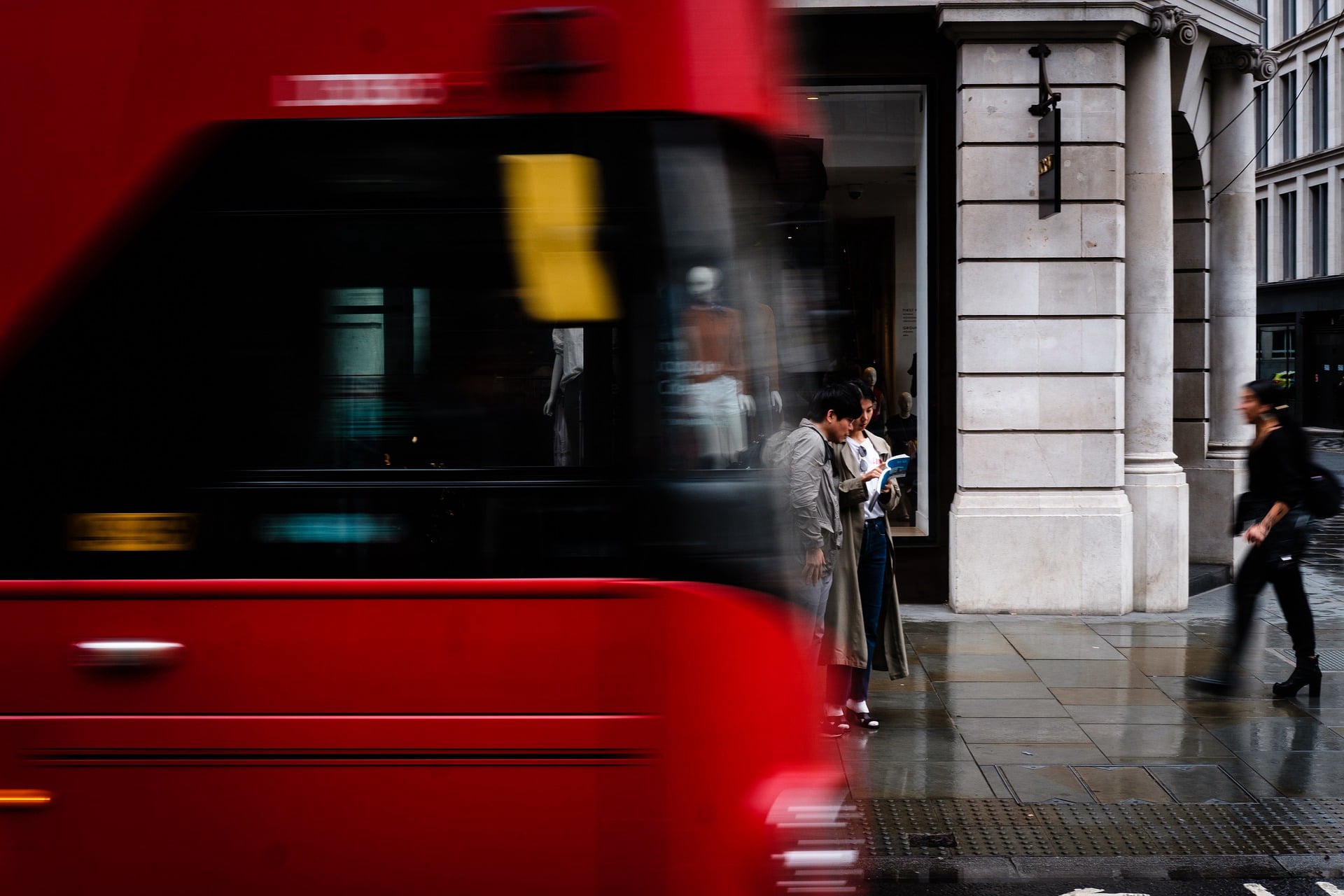
Iconic heritage
The Routemaster is more than a bus; it’s a cultural symbol. Travelling London, it unites neighbourhoods, celebrates history, and connects landmarks like the British Museum.

Routemaster bus design
The Routemaster’s open platform, red paint, and front engine made it unique, accessible, and instantly recognisable in London’s streets.

London’s historic connections
From the British Museum to the historic Tower of London, Routemasters provided a scenic journey along celebrated city routes.

Lasting city appeal
Generations rode Routemasters to schools, markets, and the Old Bailey, making them a cherished part of daily city life.

Engineering innovations
The Routemaster’s lightweight body and advanced suspension offered a smoother, more comfortable ride for London’s commuters and visitors.

Community on wheels
Passengers shared stories, cultures, and destinations, making every Routemaster journey a unique London experience.

Enduring London symbol
Even today, Routemaster buses remain a beloved icon, featured in films and London souvenirs worldwide.
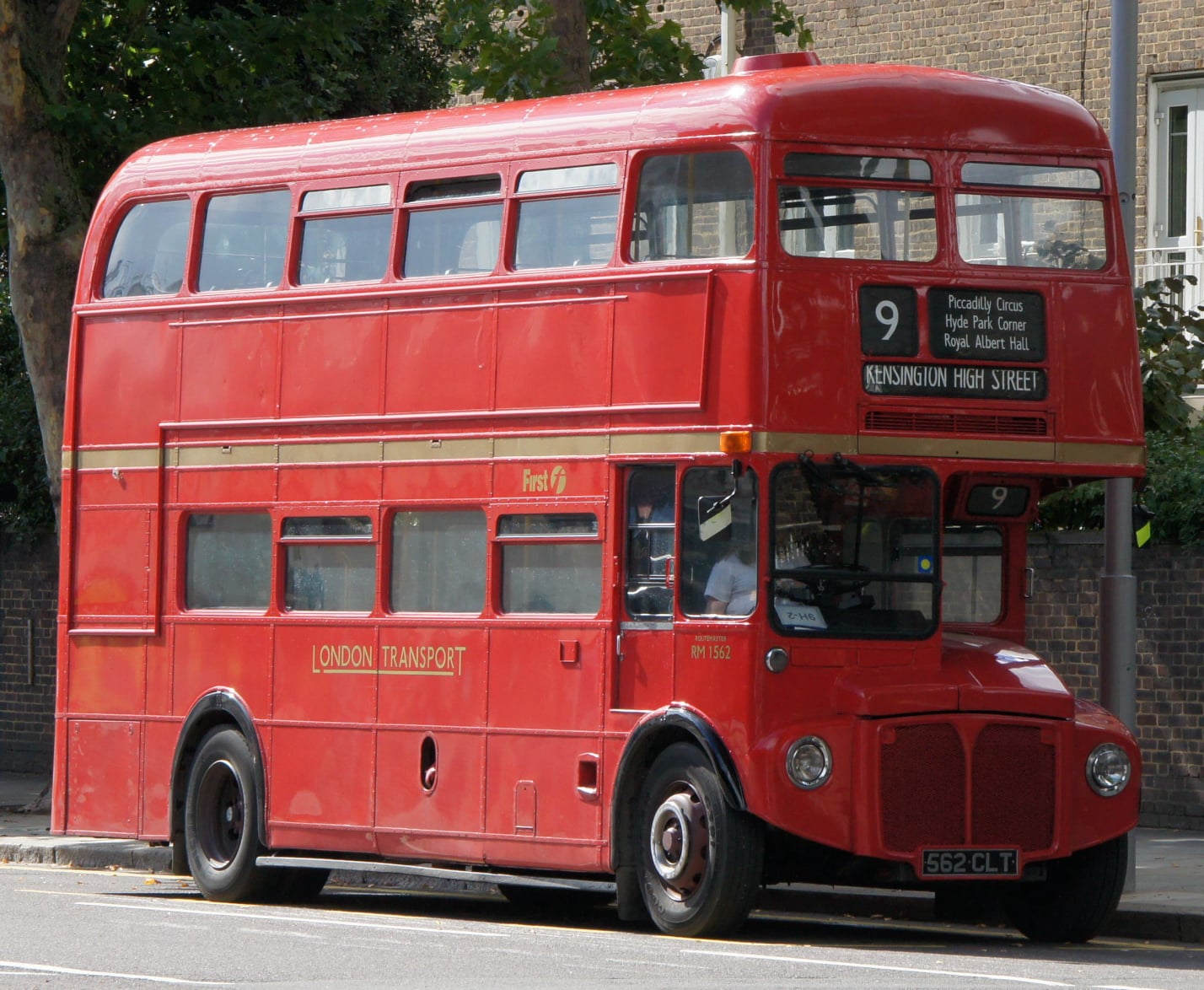
Routemaster buses: linking landmarks and lives
Routemaster buses connect people to London’s world-famous attractions. Whether visiting the British Museum or passing the Old Bailey, every journey offers a glimpse into London’s evolving story, from historic Tower of London tours to the city’s vibrant, modern culture.
Routemaster
Beloved classic.
London
Timeless city.
Heritage
Living history.
Engineering meets history
Combining innovative design and rich tradition, the Routemaster represents London’s commitment to progress and preservation, linking generations through journeys past the British Museum and city icons.
The Routemaster’s aluminium construction and clever maintenance access set new standards for London bus engineering and reliability.
London’s Routemaster continues to inspire pride, seen on routes near the historic Tower of London and the British Museum.
Heritage in motion
The Routemaster’s continued presence on heritage routes ensures visitors experience a living piece of London’s transport story.
London’s everyday journey
The Routemaster shaped daily routines, from commuters near the Old Bailey to tourists at the British Museum, creating shared London memories that last a lifetime.
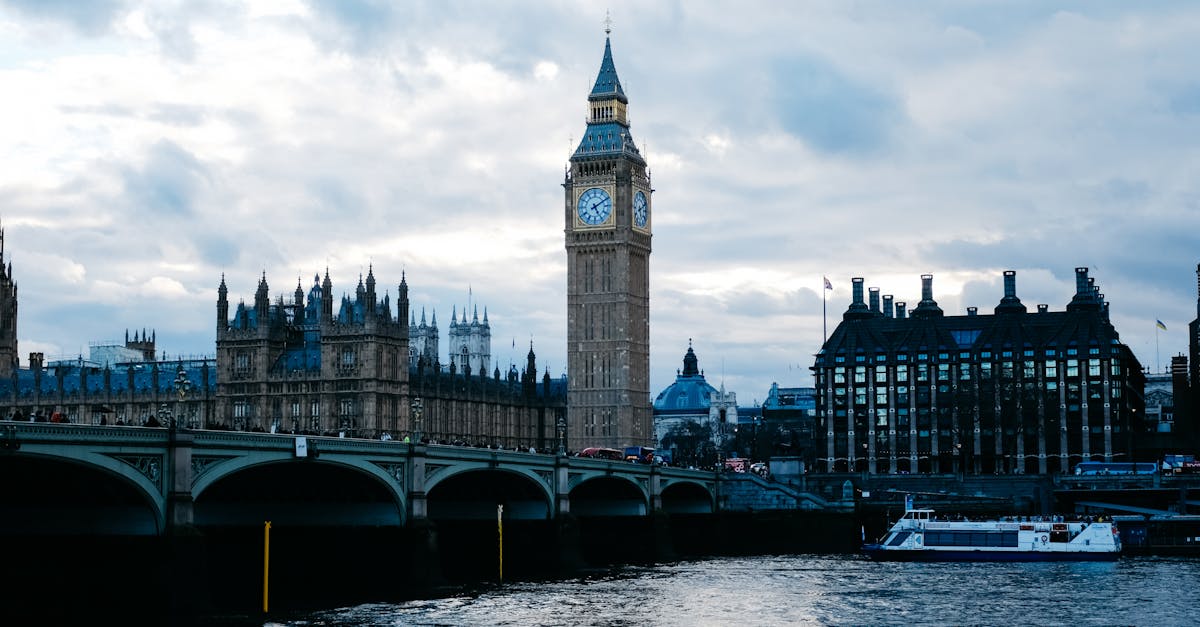
Daily life
Routemasters carried generations through.

Landmarks visited
Travellers reached the British Museum easily.
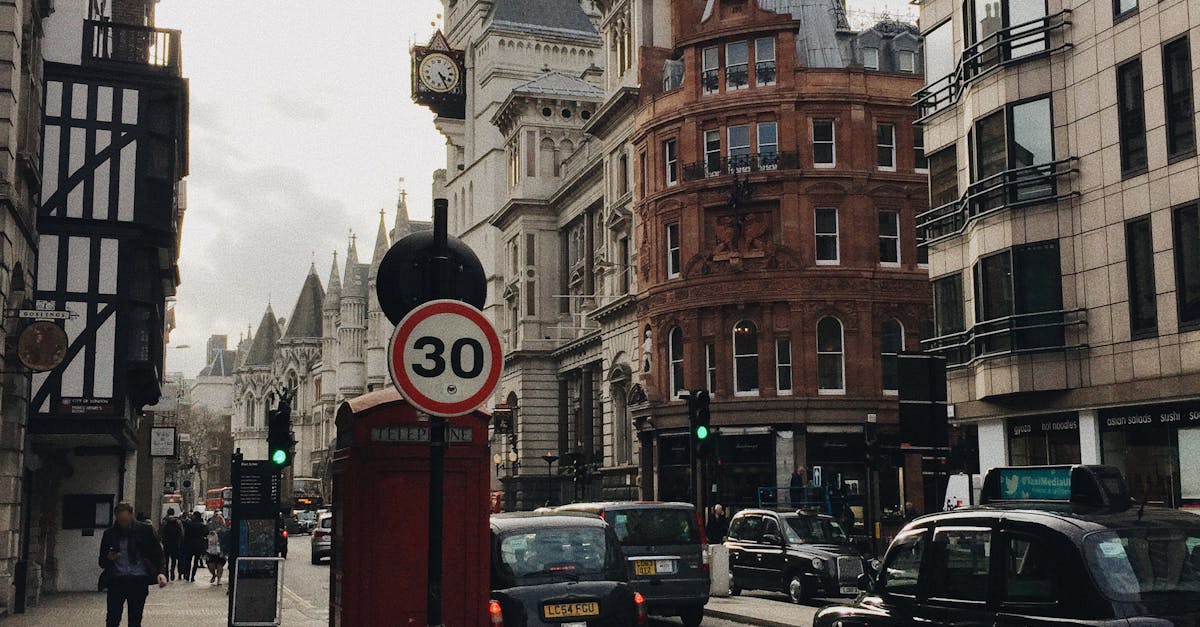
City spirit
Old Bailey rides shaped urban stories.
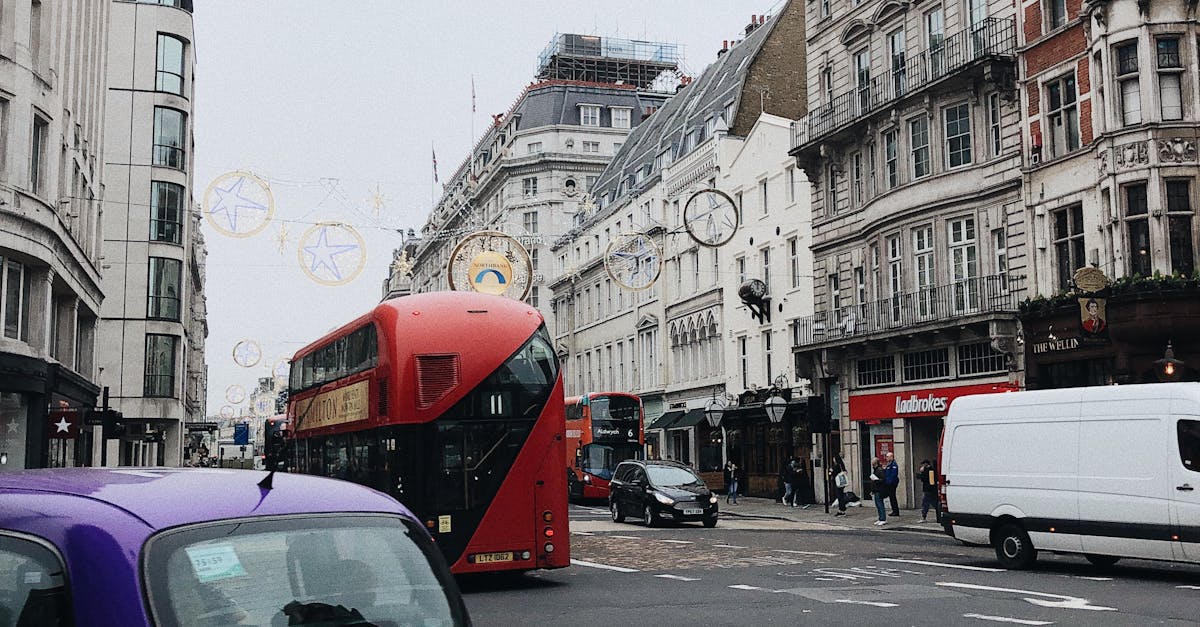
Shared experiences
Tourists and locals explored London.
Frequently asked questions
Find answers to your Routemaster questions – routes, history, and legacy. Discover how this London icon connects the British Museum, Old Bailey, and historic Tower of London.
When did Routemaster buses first operate London?
Routemaster buses began service in 1956, revolutionising London’s streets with their distinctive design and reliable, comfortable journeys for all.
What landmarks are on famous Routemaster routes?
Key Routemaster routes pass the British Museum, historic Tower of London, and Old Bailey, showcasing London’s rich cultural heritage and history.
Why are Routemasters iconic in London history?
Celebrated for their design and service, Routemasters symbolise London’s innovative spirit and connection to the city’s important landmarks.
Are Routemasters still seen in London today?
Yes, Routemasters serve heritage routes, offering visitors rides past famous sites like the British Museum and Old Bailey.
Can I visit Routemaster buses in museums?
Routemaster buses are featured at transport museums in London, preserving their legacy for future generations interested in city history.
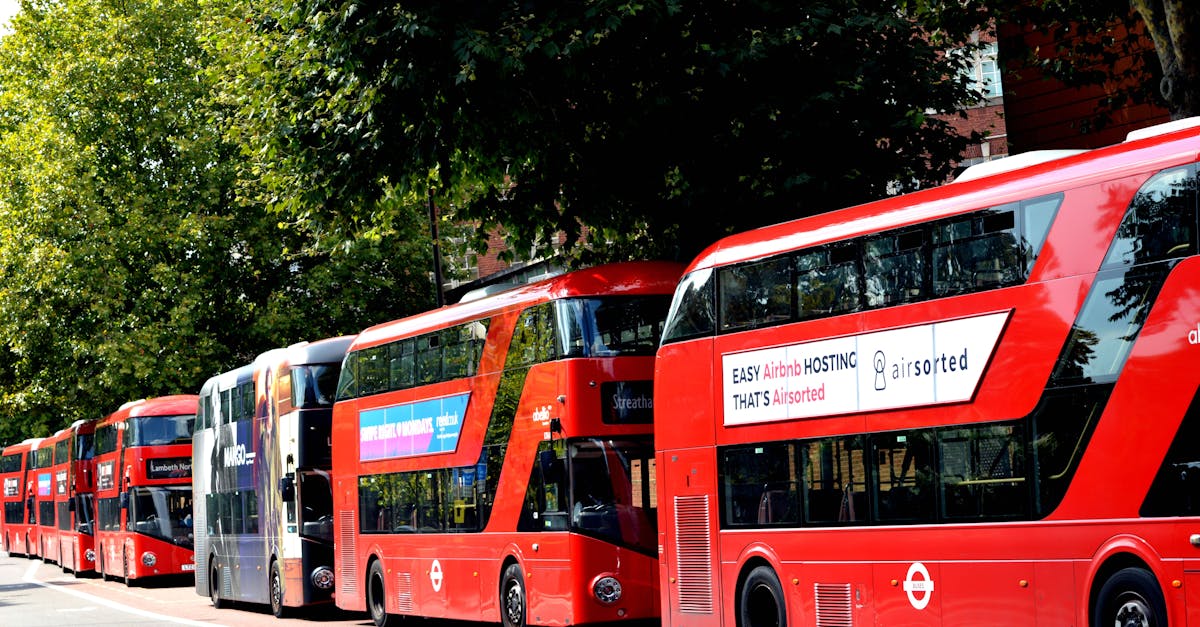
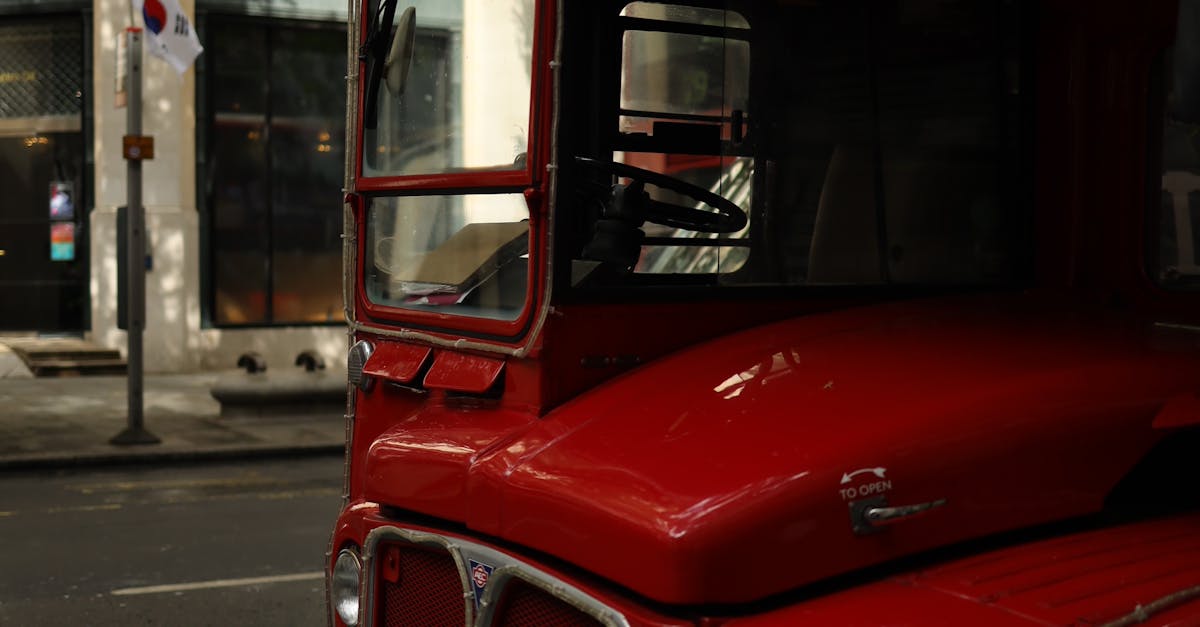
Classic journey
Enduring legacy
The Routemaster’s enduring legacy is woven into London’s identity. Generations have travelled to the British Museum, Old Bailey, and historic Tower of London aboard these iconic buses, forming lasting memories.
Across decades, London’s Routemaster represents more than transport – a symbol of innovation, cultural pride, and the city’s unbreakable connection to its past.