
The Routemaster bus is a quintessential symbol of London, renowned for its distinctive design and robust engineering. Introduced in the 1950s, the Routemaster revolutionised public transport in the city, setting new standards for durability, functionality, and style. Its creation was a response to the growing demand for efficient and reliable urban transport, and it remains a testament to British engineering excellence.
The design of the Routemaster was conceived with both practicality and aesthetics in mind. One of its most notable features is the open rear platform, which allowed passengers to hop on and off with ease. This design choice was particularly suited to the bustling streets of London, where quick boarding and alighting were essential to maintaining schedule efficiency. The open platform also lent the bus a unique charm, making it a beloved part of the city’s landscape.
The Routemaster’s design was the brainchild of a team led by A.A.M. Durrant and Colin Curtis, with exterior styling by Douglas Scott. Their vision was to create a bus that was not only functional but also visually appealing. The Routemaster’s sleek lines, rounded edges, and vibrant red colour made it an instant icon. Its aesthetic appeal was matched by its innovative engineering, which incorporated advanced materials and manufacturing techniques for the time.
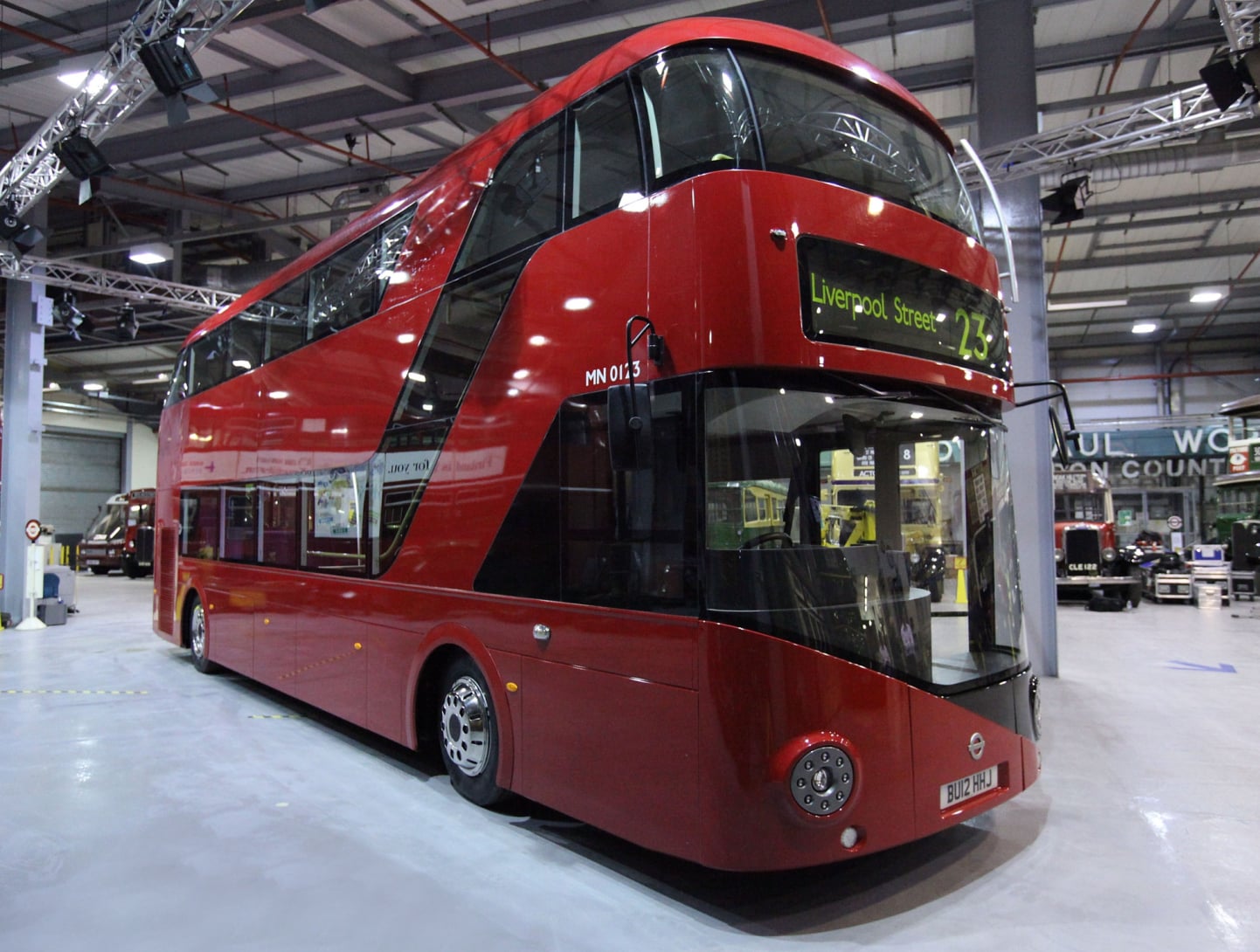
Underneath its iconic exterior, the Routemaster was a marvel of engineering. It was one of the first buses to employ an integral construction method, meaning the body and chassis were built as a single unit. This approach provided increased strength and reduced weight, enhancing the vehicle’s performance and fuel efficiency. The use of lightweight aluminium in the body construction further contributed to these advantages, making the Routemaster a pioneer in the use of materials that are now standard in vehicle design.
The Routemaster was powered by a robust AEC engine, known for its reliability and ease of maintenance. The engine’s design allowed mechanics to perform repairs with minimal downtime, a crucial factor in the vehicle’s long service life. The transmission system featured a pre-selector gearbox, which simplified gear changes and improved the driving experience. This combination of power and precision ensured that the Routemaster could navigate London’s streets with ease, regardless of the conditions.
Another innovative aspect of the Routemaster’s engineering was its suspension system. The bus was equipped with a front coil spring suspension and a rear air suspension, providing a smooth and comfortable ride for passengers. This was a significant improvement over the rigid suspensions of earlier models, and it contributed to the Routemaster’s reputation for comfort and reliability.
The Routemaster’s impact extended beyond its functional attributes. It became a cultural icon, representing the spirit of London and its commitment to progress and innovation. Its timeless design and engineering excellence have ensured its place in the annals of transport history. Today, preserved Routemasters continue to operate as heritage vehicles, delighting passengers and enthusiasts alike with their nostalgic charm and enduring appeal.
The Routemaster bus exemplifies the successful fusion of design and engineering, creating a vehicle that was both practical and iconic. Its legacy endures as a symbol of British ingenuity and a reminder of an era when public transport was transformed by visionary thinking and technical prowess. The Routemaster remains an enduring emblem of London’s rich transport history, celebrated for its contributions to the city’s identity and its significant influence on bus design worldwide.