
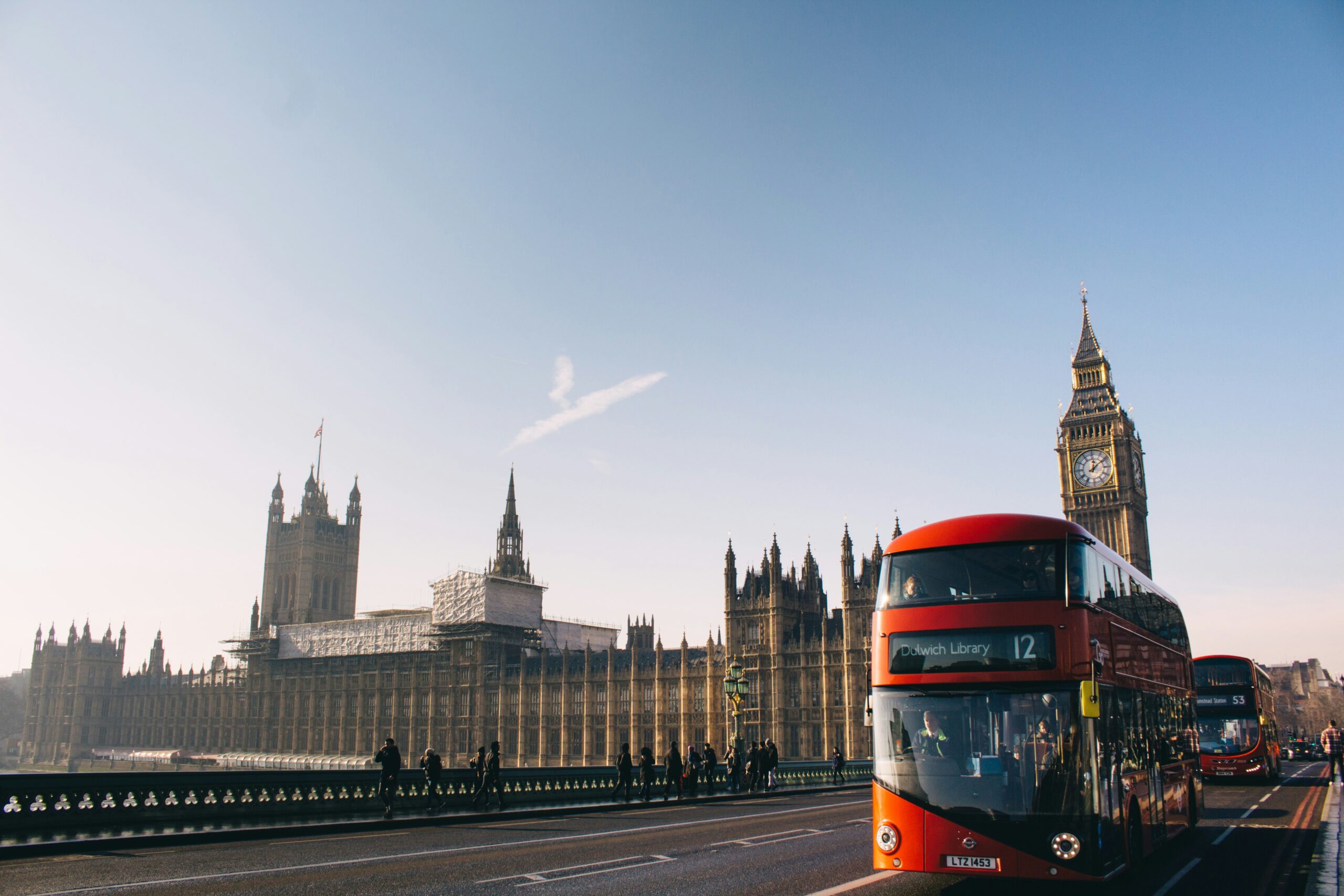
Training for Drivers and Staff
In recent years, a comprehensive training programme has been implemented for London bus drivers and staff to enhance their ability to assist passengers with diverse needs. Emphasis is placed on understanding different disabilities, including sensory and mobility challenges. The training equips staff with practical skills, enabling them to respond appropriately in various scenarios. This focus on empathy and awareness fosters an inclusive environment, where all passengers feel valued and supported.
Regular workshops and refresher courses ensure that drivers remain up to date with best practices in accessibility. Collaborations with disability advocacy groups provide valuable insights that shape the curriculum. Such initiatives not only improve the day-to-day operations of bus services but also promote a culture of respect and understanding among staff. This comprehensive approach has set a new standard within public transport, reinforcing the commitment to serve all members of the community effectively.
Ensuring Support for All Passengers
The recent upgrades in bus design across London prioritise the diverse needs of all passengers. Features such as low-floor entrances, colour-contrasted handrails, and clear digital displays enhance accessibility for individuals with mobility impairments and visual challenges. Each bus is equipped with a dedicated space for wheelchairs and pushchairs, ensuring safe and comfortable journeys for those requiring assistance.
Training programmes for drivers and staff have been enhanced to emphasise the importance of empathy and support for passengers with disabilities. They learn to recognise and respond to the varied needs of individuals during their travels. This commitment to training fosters a more inclusive atmosphere on public transport, where every passenger is treated with respect and dignity, contributing to a more welcoming travel experience throughout the capital.
Case Studies of Accessible Buses
London has made significant strides in enhancing bus accessibility through innovative designs and features. One notable example is the introduction of low-floor buses, which facilitate easy boarding for passengers with mobility challenges. These buses are engineered to accommodate wheelchairs, prams, and older adults, ensuring a seamless travel experience. The design allows for a smooth transition from the pavement to the bus, effectively reducing the physical barriers that often hinder access in public transport.
Another significant advancement can be seen in the implementation of audio-visual announcements within buses. This feature assists visually impaired passengers by providing real-time information about upcoming stops and connections. Furthermore, clear signage and contrasting colours on bus routes contribute to a welcoming environment for all users. Such measures reflect a commitment to inclusivity, demonstrating that enhancements in bus design can positively impact the daily lives of a diverse range of passengers.
Success Stories from the London Network
Numerous initiatives have emerged from the London bus network, illustrating how accessibility features have transformed the travel experience for many. One notable example is the introduction of low-floor buses, which have greatly eased access for passengers with mobility challenges. This design not only benefits wheelchair users but also parents with prams and older adults. The consistent implementation of these buses across various routes has started to redefine public transport in London, making it more inclusive and user-friendly.
Another significant development is the incorporation of visual and audio announcements within the fleet. These enhancements assist visually impaired passengers and those who benefit from auditory cues, ensuring that vital information is communicated effectively. Feedback from users has highlighted the positive impact of these features, with many advocating for their expansion throughout the entire network. These successes exemplify London’s commitment to creating a more equitable transportation environment for all individuals.
The Role of Public Feedback
Public feedback serves as an invaluable resource for enhancing accessibility in London’s bus services. Passengers’ experiences and suggestions provide crucial insights into the practical challenges faced by individuals with diverse needs. Engaging with the community fosters an environment where improvements can be made effectively. Transport authorities actively encourage feedback through surveys, public meetings, and online platforms, ensuring that every voice has the opportunity to be heard.
Utilising this feedback has led to substantial changes in bus design and operational practices. Instances have emerged where minor adjustments, inspired by passenger input, resulted in significant improvements in overall accessibility. A transparent approach to collecting insights not only bolsters public trust but also establishes a framework for continuous development. The ongoing dialogue between the community and service providers underlines the commitment to inclusivity in public transport for all Londoners.
Collecting Insights for Future Improvements
Public feedback plays a crucial role in refining the design of London’s bus services. Regular consultations and surveys help transport authorities gather insights from passengers about their experiences. By engaging directly with users, it becomes possible to identify areas needing enhancement. Passengers often have valuable opinions, which can lead to better accessibility features or improved operational practices.
Listening to the community not only fosters a sense of inclusion but also builds trust in the transport system. Organising workshops and focus groups encourages open dialogue and reveals specific challenges faced by individuals with varying abilities. The ongoing collection of this feedback ensures that future improvements are closely aligned with the needs of all passengers. Adapting services based on these insights cultivates an environment where everyone feels valued and supported.
For historical context on London’s iconic fleet and the Routemaster’s legacy, see The History of London Buses and the Routemaster.