
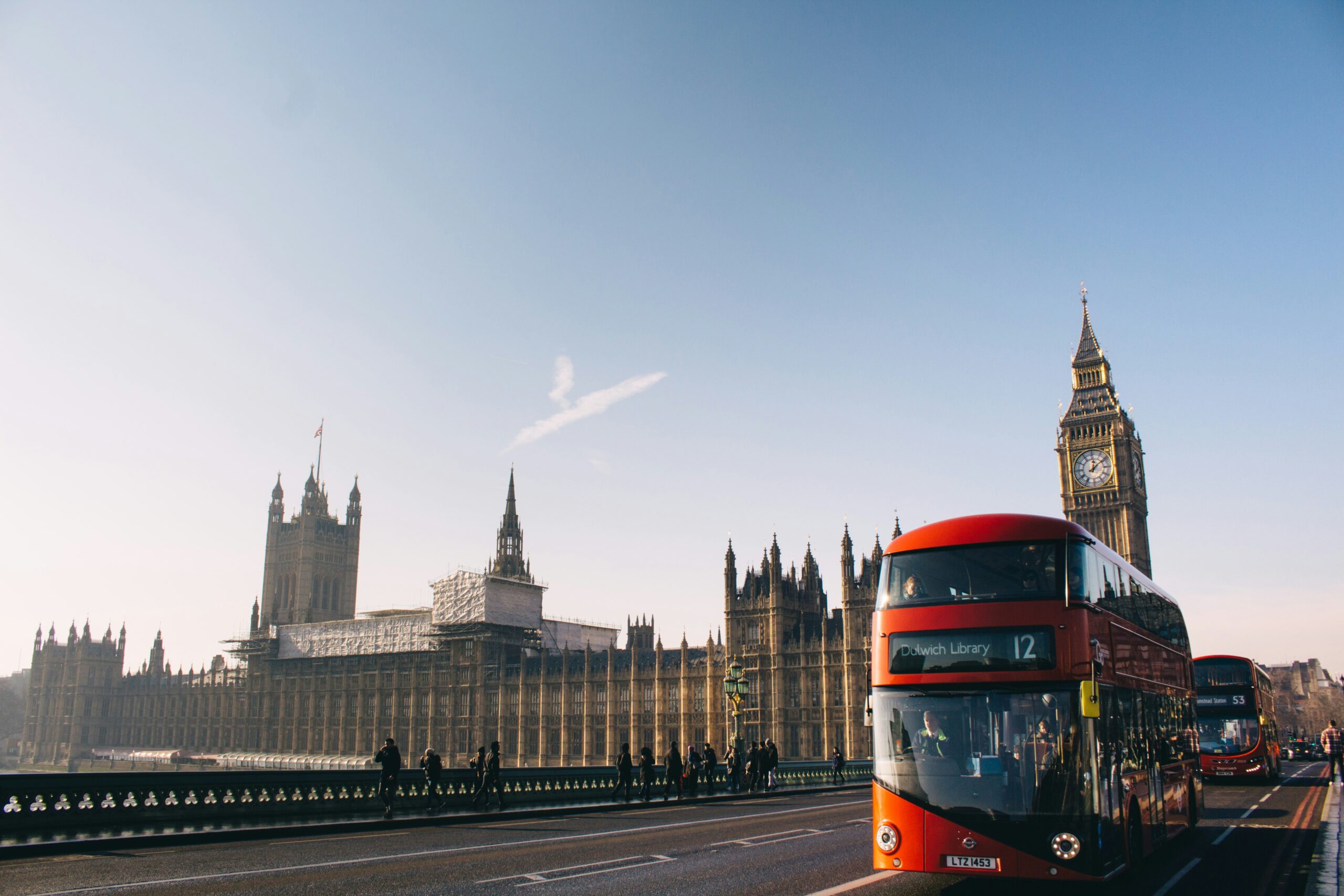
Technological Advancements in Night Buses
Night buses in London have significantly evolved due to advancements in technology, enhancing both their efficiency and user experience. The introduction of GPS tracking systems has allowed for real-time updates on bus locations, which makes planning for commuters more manageable. Smartphone apps provide passengers with precise arrival times and service alerts, further improving the accessibility of night transport. These innovations ensure that riders can feel more informed and secure during their nightly travels throughout the city.
Moreover, modern buses are now equipped with features that enhance safety and comfort for passengers. Improved lighting and onboard digital displays provide information on routes and stops, contributing to a more secure travel environment. The integration of contactless payment systems streamlines the boarding process, allowing for a quicker and more efficient experience. These technological advancements not only facilitate better operations but also aim to attract more users to London’s night bus services.
Modern Innovations and Their Benefits
The introduction of contactless payment systems has drastically improved the convenience of using night buses, enabling passengers to board swiftly without the inconvenience of fumbling for cash or tickets. This advancement aligns with the broader trend towards digital payments that Londoners have embraced, allowing for a smoother and more efficient travel experience. Additionally, the use of real-time tracking apps provides commuters with crucial information about bus arrival times. This transparency reduces uncertainty, making it easier for users to plan their journeys during the late hours.
Another significant innovation is the enhancement of the bus fleet itself. Many night buses have been upgraded to include modernised features such as Wi-Fi connectivity and improved seating. These improvements not only ensure a more comfortable journey but also support the productivity of passengers who wish to use their travel time efficiently. Efforts to make buses more environmentally friendly by incorporating hybrid or electric vehicles contribute to London’s broader sustainability goals, appealing to the increasingly eco-conscious public. Such innovations collectively elevate the overall quality of service provided to night-time travellers, making these buses a more attractive option.
The Cultural Significance of Night Buses
Night buses embody the vibrant spirit of London’s nightlife, serving as a critical link for countless individuals who partake in the city’s after-dark offerings. They provide convenience and accessibility for revelers, late-night workers, and those returning from cultural events or gatherings. In a city that never sleeps, these services underpin the social fabric, allowing people to connect with one another across various boroughs, irrespective of the hour. The rhythmic hum of buses traversing the streets adds to the nocturnal symphony that defines London after sunset.
Moreover, night buses have evolved into symbols of community and inclusivity. They cater to a diverse array of passengers, from young club-goers to those in need of late-night transport for essential work commitments. The presence of these buses fosters a sense of security by offering a reliable transport option during hours when other means may be scarce. Their role extends beyond mere transportation; they facilitate a unique cultural exchange, as riders embark on shared journeys through the city’s midnight landscape.
Representing London’s Nightlife
The vibrancy of London’s nightlife finds a unique expression in the city’s night bus network. As bars, clubs, and theatres come alive after dark, these buses serve as crucial lifelines, ensuring that revellers can navigate the bustling streets with ease. Each route offers a glimpse into the diverse neighbourhoods that pulsate with energy during the late hours. The buses often become a social hub in their own right, where passengers share stories and laughter, bridging various cultures against the backdrop of the city’s ever-evolving skyline.
Night buses embody the spirit of accessibility and community, transforming how Londoners view their city after dusk. They highlight the importance of reliable transport options for those seeking late-night adventures or returning home after a long day, offering both practicality and a sense of belonging. Rather than merely a means of transport, these buses represent a collective experience of urban exploration, underscoring the interconnectedness of London’s vibrant social fabric as night falls.
Challenges Faced by Night Bus Services
The complexities of managing night bus services in London are multifaceted. One significant challenge lies in balancing efficient service with safety concerns. Incidents of anti-social behaviour on night buses not only create an unpleasant atmosphere but also deter potential passengers from using these services. The perception of risk can overshadow the convenience offered, leading to decreased ridership, particularly among vulnerable groups.
Operational difficulties also play a crucial role in the sustainability of night bus routes. Maintaining punctuality while ensuring that vehicles are sufficiently staffed and well-maintained can lead to logistical strains. Drivers face unique challenges during late hours, including reduced visibility and the potential for fatigue. These factors complicate the operational framework and require continuous assessment to ensure that services run smoothly while addressing rider concerns.
Addressing Safety and Operational Concerns
Night bus services play a crucial role in providing safe travel options for late-night commuters, yet they face various challenges related to safety and operational efficiency. Over the years, there have been concerns regarding incidents of anti-social behaviour on board and at stops. In response, transport authorities have invested in increasing the visibility of staff and security measures, ensuring that passengers feel safe while using these services. Furthermore, the implementation of CCTV cameras on buses has contributed to enhanced monitoring, deterring potential issues and providing valuable evidence when incidents occur.
Operationally, maintaining a reliable service through the night can be difficult. Factors such as traffic congestion, limited resources, and the need for regular maintenance must be considered. In an effort to improve reliability, some operators have adjusted routes and schedules based on demand patterns observed during late-night hours. These adjustments aim to optimise bus frequencies, ensuring that passengers are not left waiting long periods. Continuous assessments of service performance are essential to address any operational concerns effectively.
For historical context on London’s iconic fleet and the Routemaster’s legacy, see The History of London Buses and the Routemaster.