
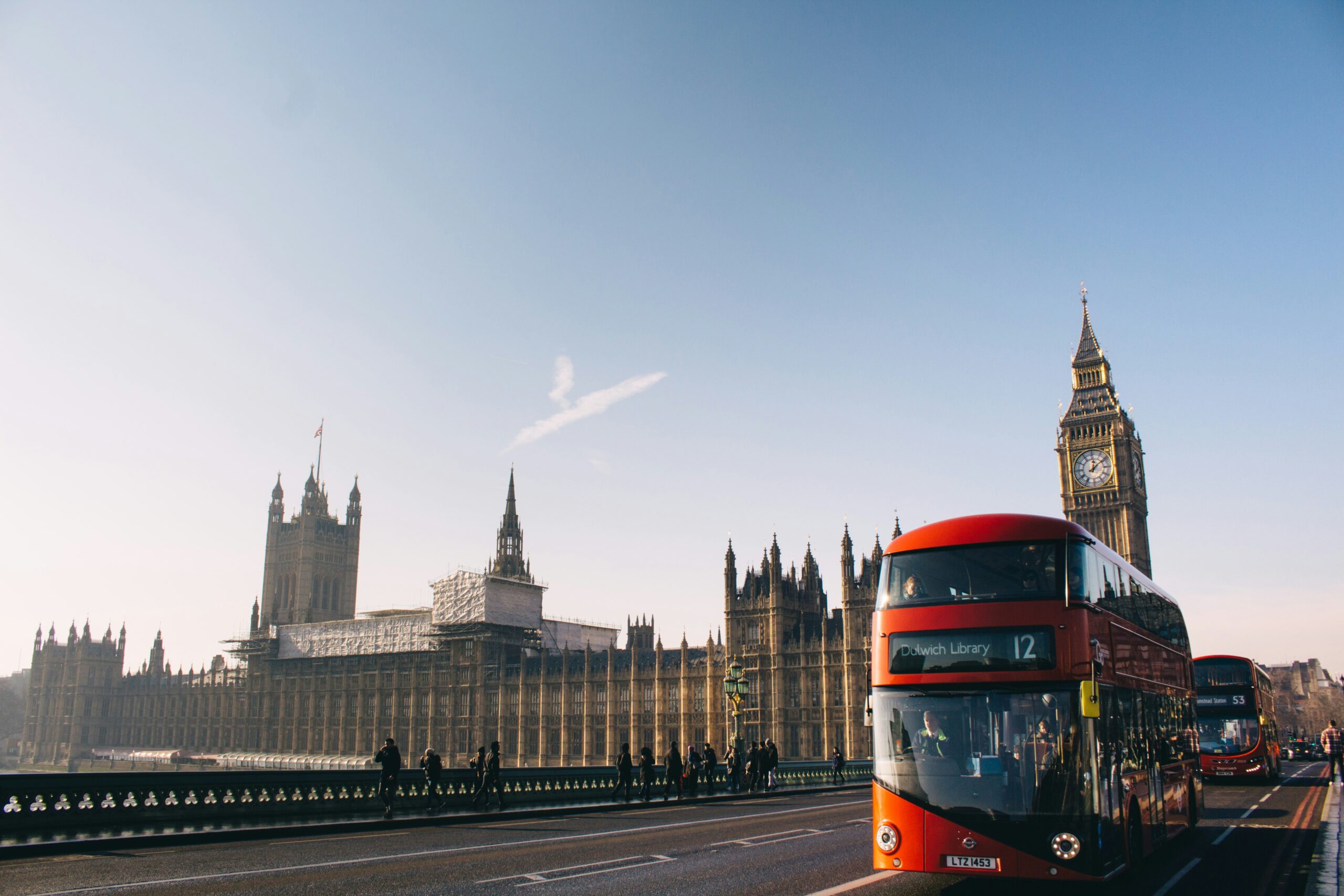
Riding the Routemaster
For many visitors, stepping onto a Routemaster is like stepping back in time. Its iconic red livery and vintage design evoke nostalgia, while the double-decker format provides an unparalleled view of the bustling city. Tourists often find themselves drawn to the upper deck, where they can sit by the open windows and take in the sights of London as the bus winds its way through historic streets. The experience can feel almost cinematic, as familiar landmarks glide by and the gentle rumble of the bus adds to the atmosphere.
Navigating the city’s thoroughfares aboard a Routemaster offers more than just a mode of transport; it creates a unique bond with the heritage of London. Conductors, once a common sight, are now a rarity but their spirit lives on through the engaging narratives that several modern tours provide. Passengers can relish the charm of the vintage vehicle while also enjoying entertaining insights from tour guides, ensuring that every journey is as informative as it is delightful. The combination of traditional craftsmanship and vibrant history transforms each ride into a memorable adventure for those exploring the capital.
A Memorable Experience for Visitors
For many tourists, a ride on the iconic Routemaster is not merely about getting from one point to another. It is an immersive experience steeped in history and charm. The open upper deck offers unbeatable views of London’s sights, allowing passengers to soak up the atmosphere as they traverse bustling streets. This unique vantage point enhances the excitement of spotting famous landmarks, creating lasting memories that often transcend the simple act of travel.
The vintage design of the Routemaster, with its red exterior and classic wooden interiors, transports visitors back in time. Each journey becomes a nostalgic trip, evoking feelings of a bygone era. For those unfamiliar with London’s public transport, the Routemaster presents a delightful alternative to modern solutions. The combination of authentic character and the thrill of a double-decker ride offers a memorable attraction that enriches the overall travel experience in the capital.
Comparing the Routemaster to Modern Buses
The Routemaster, an iconic symbol of London, exudes charm and character that modern buses often lack. Its unique double-decker design and open rear platform create a nostalgic link to the mid-20th century. Passengers appreciate the spacious interior and thoughtful design that prioritises visibility, enhancing the sightseeing experience. In contrast, contemporary buses tend to favour efficiency and functionality, featuring streamlined designs that accommodate higher passenger volumes but may sacrifice individuality.
While modern buses are equipped with advanced technology for real-time tracking and improved environmental standards, they rarely evoke the same sense of place and tradition. Riders on a Routemaster not only experience London’s vibrant atmosphere but also connect with its historical narrative. This divergence highlights a broader conversation about balancing heritage and modern transportation needs within urban settings. Tourists often seek memorable experiences, which the Routemaster offers in spades, serving as both a practical mode of transport and a vehicle of the city’s rich story.
Nostalgia vs. Efficiency
The iconic Routemaster bus embodies a sense of nostalgia for many, evoking memories of London’s vibrant past. Its classic red exterior and open rear platform transport passengers not only across the city but through time, where vintage charm meets the heart of British culture. Tourists frequently capture images beside this historic vehicle, ensuring that the spirit of London’s transportation heritage remains alive, even amid the hustle and bustle of modern life.
In contrast, modern buses prioritise efficiency and functionality. With advanced technology, improved accessibility features, and a focus on environmental sustainability, these vehicles are designed to meet the demands of contemporary urban transit. While the nostalgic allure of the Routemaster holds significant appeal, today’s public transport systems must also address the growing challenge of urban congestion and emissions, making it essential for the industry to evolve alongside the needs of its passengers.
Environmental Considerations
The Routemaster’s iconic status is often celebrated, but its environmental impact raises important questions. Traditionally, these double-deckers operated on diesel, contributing to air pollution and greenhouse gas emissions. As cities worldwide grapple with climate change, older vehicles like the Routemaster face scrutiny regarding their sustainability. While retrofitting has aimed to improve fuel efficiency and emissions, many argue that such measures may not suffice in the long run.
In contrast, modern buses increasingly favour cleaner technologies, including electric and hybrid models. These advancements offer the potential for reduced emissions and improved urban air quality. London has invested heavily in upgrading its public transport fleet, striving to create a greener environment for its residents and visitors. As the push for more sustainable transport continues, the Routemaster’s charm must be balanced against the pressing need for environmental responsibility.
The Routemaster and Sustainable Transport
The Routemaster, once a symbol of London’s public transport, has faced challenges in the era of increasing environmental awareness. Although vintage in design, recent adaptations have aimed to enhance its eco-friendliness. Efforts include retrofitting with modern technology, allowing the classic bus to operate on cleaner fuel sources. This transformation caters to a growing demand for sustainable transport options within urban settings.
While the iconic design endures, the push towards greener alternatives amplifies discussions about its viability. Comparisons with more contemporary buses reveal a shift towards energy efficiency and lower emissions, which are critical in tackling climate change. The balancing act lies in preserving the Routemaster’s nostalgic value while integrating contemporary sustainability practices that align with the future of transportation in London.
For historical context on London’s iconic fleet and the Routemaster’s legacy, see The History of London Buses and the Routemaster.