
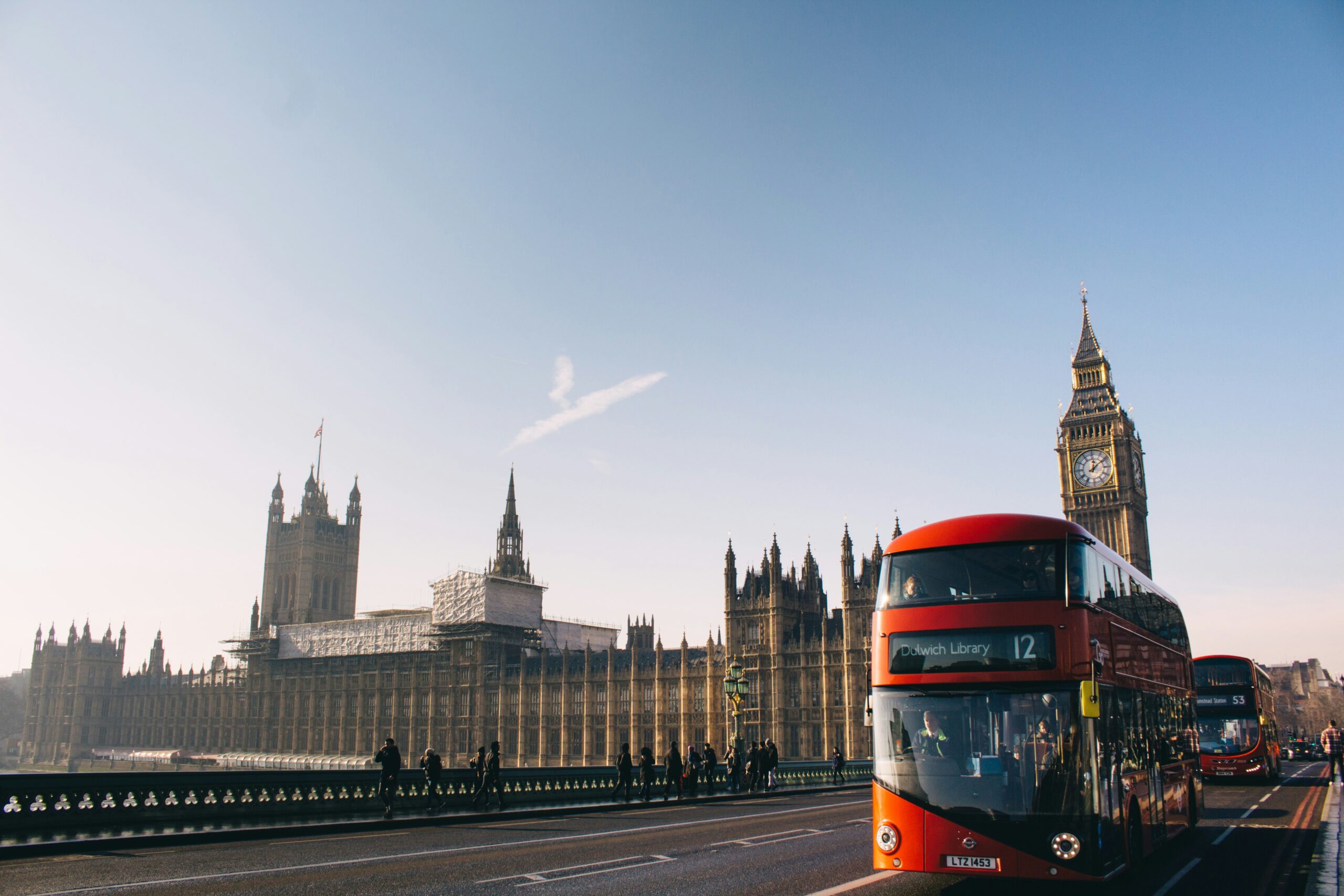
Environmental Technology in London Buses
The integration of environmental technology within London’s bus fleet has significantly advanced in recent years. Hybrid and electric buses have become more prominent, contributing to a reduction in greenhouse gas emissions. These innovations not only help in meeting local and national environmental targets but also enhance the overall efficiency of the public transport system.
Further efforts to promote sustainability have seen the implementation of biodiesel and other alternative fuels across various routes. The introduction of cleaner combustion engines has reduced particulate matter and nitrogen oxides in urban air quality, benefiting both residents and commuters alike. Investments in these technologies reflect a commitment to fostering a greener public transport environment while also addressing the urgent issue of climate change.
Initiatives for Reducing Carbon Emissions
London’s public transport system has been proactive in its approach to combatting environmental challenges. The introduction of hybrid and electric buses aims to significantly cut down carbon emissions. These vehicles, equipped with advanced powertrains, contribute to cleaner air in the city by reducing reliance on fossil fuels. Moreover, the integration of biofuels into the existing fleet presents another innovative solution to decrease the overall environmental footprint.
In addition, various initiatives focused on improving operational efficiency play a crucial role in emissions reduction. Routing software optimises bus journeys, ensuring minimal idling and efficient travel times. Partnerships with organisations dedicated to sustainability are also forging pathways towards making public transport greener and more efficient. As London continues to embrace these technologies, the target of achieving net zero emissions becomes increasingly attainable.
Safety Improvements through Technology
Advancements in technology have significantly enhanced the safety measures on London buses. Smart sensors and automated systems now play crucial roles in accident prevention. These devices monitor various aspects of vehicle operation, ensuring that potential hazards are detected early. Innovations such as automatic braking systems and collision avoidance technologies contribute to a safer travel experience for passengers and pedestrians alike. Enhanced driver training programs, supplemented by simulation technologies, ensure that operators are better equipped to handle emergencies.
Surveillance equipment has also seen considerable advancements, bolstering security on public transport. High-definition cameras fitted on buses provide real-time monitoring, aiding in crime prevention and post-incident investigations. The introduction of GPS tracking systems enhances fleet management, allowing for quicker response times in the event of an emergency. Together, these technological improvements create a safer environment, not only for commuters but also for the wider community in which these buses operate.
Innovations in Surveillance and Monitoring
Recent advancements in surveillance technology have significantly bolstered safety measures within London’s bus network. Modern buses now come equipped with high-definition cameras capable of capturing real-time footage. This innovation not only aids in monitoring passenger behaviours but also enhances the ability to respond swiftly to incidents. The integration of these systems allows operators to review situations and assess both driver and passenger safety, creating a more secure environment for all.
Incorporating GPS and telemetry systems has further transformed how incidents are monitored. These technologies provide real-time data on bus locations and performance metrics. This information enhances operational efficiency and ensures quicker response times in emergencies. By employing analytics generated from various sensors, transport authorities can preemptively address potential safety issues, streamlining maintenance and improving overall service reliability.
The Future of Electric Buses in London
London’s commitment to sustainability is set to redefine its public transport system. Electric buses represent a pivotal part of this transition, promising reduced emissions and a quieter urban environment. The city has already witnessed a gradual replacement of traditional diesel buses with electric models, showcasing advancements in battery technology and efficiency. As infrastructure improves, more charging stations will become essential, ensuring that these vehicles can operate seamlessly across the vast network.
However, challenges remain on the path to widespread adoption. Initial investments for electric bus technology are significant, necessitating financial commitment from both government and private entities. Additionally, concerns about battery life and vehicle range could pose hurdles for complete integration into the existing fleet. Addressing these obstacles will be vital for ensuring that London’s electric bus initiative not only takes off but flourishes in the years to come.
Adoption and Challenges Ahead
The shift towards electric buses in London represents a pivotal moment in modernising public transport. The city has begun implementing ambitious plans to replace its ageing diesel fleet with electric alternatives. This transition aims not only to meet environmental targets but also to enhance the overall passenger experience. Innovative designs and advanced battery technologies are gradually making electric buses a viable option for urban transport.
Despite the undeniable benefits, several challenges persist in this journey. Infrastructure demands such as charging stations require substantial investment and careful planning. Additionally, concerns regarding battery longevity and performance in varying weather conditions must be addressed. Engaging stakeholders and maintaining public support will be crucial in navigating these hurdles to ensure a successful transition to a sustainable future.
For historical context on London’s iconic fleet and the Routemaster’s legacy, see The History of London Buses and the Routemaster.