
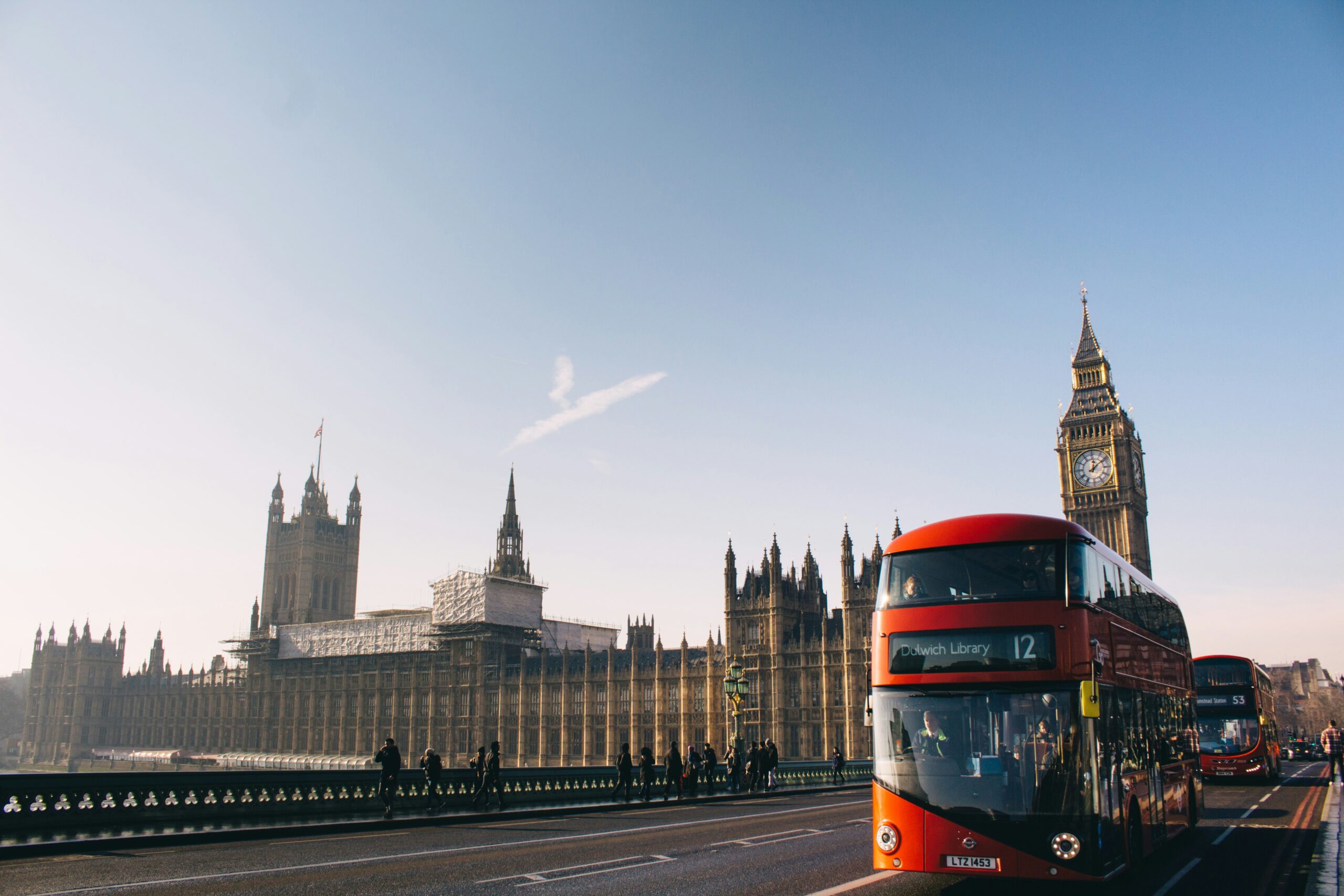
Measuring the Effectiveness of Bus Campaigns
Evaluating the success of advertising campaigns on London buses requires a multifaceted approach. Key performance indicators (KPIs) such as reach, engagement, and conversion rates provide valuable insights into audience interactions and brand recall. Analysing data collected from surveys and social media feedback helps gauge public perception and emotional response to the campaign. Additionally, tracking sales figures and website traffic during and after the advertising period can illustrate the campaign’s impact on consumer behaviour.
Furthermore, utilising advanced analytics tools enhances the measurement process. Geolocation data can reveal how often and where potential customers are exposed to advertisements. Collaborating with market research firms offers deeper insights through audience profiling and behaviour analysis. This informed approach enables brands to fine-tune their strategies, ensuring maximum effectiveness of future bus campaigns.
Key Metrics to Evaluate Success
Advertising campaigns on London buses require a clear framework for evaluation. Metrics such as reach, frequency, and engagement offer insights into a campaign’s impact. Reach quantifies the total number of individuals exposed to the advertisement, while frequency measures how often those individuals encounter the message. Together, these elements paint a picture of the campaign’s potential visibility across the diverse demographics of London’s transport users.
Another essential metric is the conversion rate, reflecting the percentage of people who take action after viewing the advertisement. By correlating this data with sales figures or website traffic, brands can assess the return on investment more effectively. Additionally, feedback from surveys or social media can provide qualitative insights, allowing businesses to gauge public perception and tweak their strategies accordingly. Tracking these key performance indicators not only helps refine current campaigns but also lays the groundwork for future advertising success.
Creative Strategies for Successful Bus Advertising
Bus advertising thrives on creativity, drawing attention from commuters and pedestrians alike. Engaging visuals combined with minimal text often capture the essence of a brand swiftly. Utilising oversized graphics and vibrant colours can turn something mundane into a moving billboard. Thought-provoking imagery and clever slogans can linger in the minds of onlookers long after they’ve passed by. Integrating local culture or humour can also create a connection, making the advertisement resonate more deeply with the community.
Innovative strategies can further enhance the impact of bus campaigns. Brands might consider interactive elements, such as QR codes that lead to mobile experiences, encouraging engagement beyond the initial sighting. Additionally, ambient themes that relate to the bus’s route can ignite interest and conversation among passengers. Collaborations with local artists to create unique designs can offer authenticity, making the advertisement feel more integrated within the urban landscape. Such creative ventures not only elevate the brand image but also invite conversations and memorable experiences.
Innovative Ideas That Stand Out
Creative concepts can elevate bus advertising beyond traditional campaigns. Utilising striking visuals that engage audiences instantly plays a crucial role in capturing their attention. Brands can experiment with three-dimensional designs that interact with the bus’s shape, creating an immersive experience. Integrating dynamic QR codes into the artwork can invite potential customers to explore promotional offers or product details, turning a passive viewer into an active participant in the campaign.
Moreover, collaborating with local artists can result in designs that resonate with the community. This approach not only supports creative talent but also fosters a sense of connection between the brand and its audience. Seasonal themes can refresh bus campaigns throughout the year, ensuring relevance and continued engagement. Campaigns that incorporate elements such as augmented reality open new avenues for customer interaction, inviting commuters to engage in innovative ways that add an element of surprise to their daily routine.
Case Studies of Successful Bus Campaigns
One notable example of an effective bus campaign is the collaboration between a well-known retail brand and London buses during the festive season. The bright, vibrant advertisements featured striking visuals alongside clever taglines that captured the holiday spirit. This approach not only drew attention but also created a sense of excitement among potential shoppers. The utilisation of strategic bus routes, including those passing through high footfall areas, significantly boosted the campaign’s visibility and contributed to an increase in sales during the period.
Another successful case involved a campaign promoting a popular streaming service. The advertisements showcased bold imagery and featured quotes from critically acclaimed shows, appealing directly to cinema and television enthusiasts. By targeting key demographic segments in urban areas, the campaign effectively enhanced brand recognition. Commuters resonated with the visual storytelling, resulting in a notable uptick in subscriptions following the campaign’s duration.
Learning from Effective Branding Strategies
Successful branding strategies often hinge on the ability to forge a connection with the target audience. For example, some brands have leveraged emotional storytelling in their advertising on London buses. This approach not only captures attention but also fosters a sense of relatability. Creative visuals paired with compelling narratives can resonate powerfully, ensuring that the message lingers beyond the first glance. Such campaigns frequently transform a simple bus ride into an engaging journey for commuters, making the brand’s presence memorable.
Another effective strategy involves utilising local culture and landmarks to create a sense of place. Incorporating elements that Londoners can identify with—not just in imagery, but also in language and themes—strengthens community ties. Brands that celebrate local events or iconic symbols often find success. This tactic not only promotes brand recognition but also builds goodwill among potential customers who appreciate the nod to their culture and surroundings. As a result, bus advertisements become a canvas for artful communication, captivating audiences and enhancing brand loyalty.
For historical context on London’s iconic fleet and the Routemaster’s legacy, see The History of London Buses and the Routemaster.