
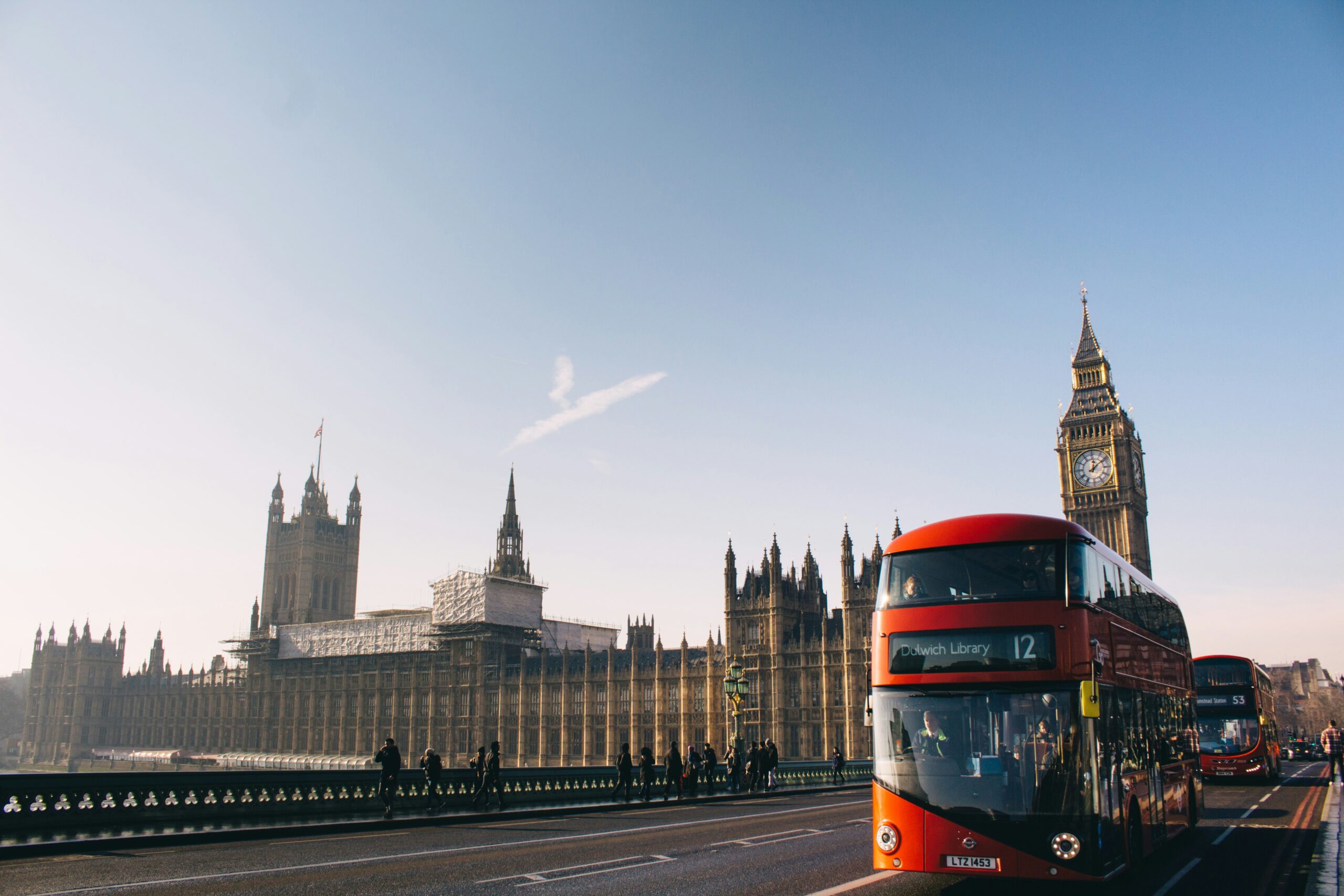
Contemporary Art Installations on Buses
Routemaster buses have evolved into vibrant canvases for contemporary artists, showcasing innovative pieces that capture the imagination of both commuters and passers-by. The integration of art into public transport not only enhances the visual landscape of the city but also allows artists to reach a diverse audience. From striking murals to interactive installations, each project is designed to transform the everyday experience of travel, making art accessible to all.
This artistic initiative often collaborates with local communities, reflecting their unique stories and cultures. The bus becomes a mobile gallery, offering an ever-changing exhibition that journey through the streets of London. Each installation sparks conversation and connection, inviting individuals to appreciate art in an unconventional setting while contributing to the urban narrative.
Modern Interpretations of Classic Designs
The Routemaster bus has long been a canvas for artistic expression, with modern designers reinterpreting its iconic features. Sleek lines and bold forms have emerged in contemporary adaptations, inviting a fresh perspective that honours the vehicle’s heritage while pushing creative boundaries. Designers often blend nostalgic elements with current trends, creating a unique fusion that resonates with both history enthusiasts and the modern traveller. This approach not only connects generations but also enhances the aesthetic appeal of urban transport.
Incorporating innovative materials and techniques has become crucial for these interpretations. High-tech finishes and sustainable practices are now commonplace in designs for Routemasters, reflecting a commitment to both style and environmental consciousness. These modern adaptations frequently employ interactive elements, engaging passengers and passers-by alike. By elevating the bus to a platform for artistic dialogue, designers continue to redefine what it means for a public transport vehicle to embody cultural significance while remaining functional.
The Importance of Colour and Typography
The visual identity of Routemaster buses significantly hinges on the effective use of colour and typography. Bold, vibrant colours not only attract attention but also convey a sense of energy and life, essential for public transport that connects diverse communities. Each hue selection often reflects the cultural identity of the areas they serve, fostering a sense of pride among commuters. Typography plays an equally pivotal role, with choices like the iconic Transport font ensuring clarity and legibility. The harmony between these elements creates a cohesive visual experience that enhances the overall appeal of the buses.
In the realm of design, the interplay between colour and typography is pivotal for storytelling. A well-designed bus exterior communicates more than just a route; it delivers a narrative that resonates with passengers. Each journey becomes an opportunity for artistic expression, where the dynamic use of colour can evoke emotions while strategically placed text informs and guides. This combination not only beautifies the urban landscape but also reinforces the significance of visual communication in everyday life.
Crafting Visual Messages on the Move
Visual messages play a crucial role in enhancing the aesthetic and communicative aspects of Routemaster buses. Graphics and advertising designs utilise the unique shape and surfaces of these iconic vehicles to capture attention. Brands often leverage the moving canvas of a bus to deliver messages that resonate with commuters and passers-by alike. The interaction between the artwork and the vibrant urban landscape creates a dynamic spectacle, turning a simple vehicle into a platform for creativity.
The choice of colour and typography significantly influences how these messages are perceived. Well-designed visuals can provoke emotions, evoke nostalgia, or spark curiosity, all while being seen in fleeting moments as the bus navigates the streets. This constant movement challenges designers to create striking images that are effective in seconds. Moreover, the essence of the city is often embedded in these designs, reflecting local culture and identity through the lens of art and advertising, helping forge connections with the community.
Preservation of Art and Design in Routemaster Buses
The Routemaster buses, iconic symbols of British transport, embody a rich tapestry of art and design that demands careful preservation. Each bus is a canvas showcasing the creative ingenuity that has characterised these vehicles since their inception. Curators and transport historians collaborate to restore and maintain these masterpieces, ensuring that the distinctive artwork and craftsmanship reflect the era in which they were built. Their efforts safeguard the cultural heritage represented by the design elements, from the ornate interiors to the exterior liveries.
Significant attention is given to the materials and techniques used in past restorations, with a focus on authenticity and durability. The challenge lies in balancing modern standards with the historical significance unique to each Routemaster. By embracing both traditional restoration practices and contemporary conservation methods, these buses celebrate their legacy while engaging new audiences. As such, each restored Routemaster serves not only as a functional vehicle but also as a testament to the enduring relationship between public transport and artistic expression.
Restoration Efforts to Maintain Historical Significance
The restoration of Routemaster buses requires meticulous attention to detail. Every element, from the original upholstery patterns to the iconic red paint, is carefully reviewed to ensure authenticity. Specialists in historical restoration work tirelessly to source materials that match the original specifications. Their expertise not only safeguards the aesthetic integrity of these vehicles but also ensures that each bus remains a living testament to an era of British design.
In undertaking restoration projects, challenges of modern regulations often arise. Compliance with contemporary safety standards while preserving the characteristic charm of the Routemaster presents a delicate balancing act. Nevertheless, these efforts pay off by allowing the buses to continue servicing the streets of London, acting as mobile monuments to the city’s transport history. Enthusiasts and historians alike appreciate these journeys through time, as they highlight the evolution of public transport design and the cultural narratives intertwined with each bus.
For historical context on London’s iconic fleet and the Routemaster’s legacy, see The History of London Buses and the Routemaster.