
Challenges Faced During Production
The journey of creating the Routemaster was fraught with numerous challenges that tested the resolve of manufacturers and designers alike. From engineering complexities to budget constraints, each hurdle demanded innovative solutions. Balancing aesthetics with practicality required continuous refinement of designs, ensuring the iconic shape did not compromise performance or safety. Moreover, the growing demand for public transport meant that production schedules were often tight, adding pressure to meet deadlines without sacrificing quality.
Labour disputes during the production era further complicated the process, creating tension between workers and management. Strikes and negotiations disrupted workflows, leading to delays and increased costs. Adapting to changing safety regulations also posed significant challenges, forcing manufacturers to rethink design elements in order to comply. Each obstacle not only shaped the Routemaster’s production timeline but also influenced its lasting legacy as a beloved figure in British transport history.
Navigating Obstacles in Manufacturing
The production of the Routemaster has been marked by unique challenges that required innovative solutions. Assembling the iconic bus necessitated a meticulous process, balancing efficiency with the inherent demands of customisation. This complexity often led to delays, with manufacturers needing to synchronise various components sourced from different suppliers while ensuring quality remained uncompromised. Quality control measures served as critical checkpoints, confirming that every aspect met the high standards expected of this legendary transport vehicle.
Labour shortages posed another significant hurdle during various production phases, compelling manufacturers to rethink their workforce strategies. Investing in training became essential to equip workers with the skills necessary for assembly and maintenance. Additionally, the need for precision engineering meant that specific expertise was often required, limiting the pool of available talent. Addressing these challenges involved fostering a strong collaboration between management and workers, ensuring a smooth operation that could adapt to the evolving demands of bus design and functionality.
Sustainability Efforts in Production
The production of the Routemaster has embraced sustainability, reflecting a broader commitment to environmentally responsible practices. Manufacturers have increasingly focused on sourcing materials that are recycled or derived from renewable resources. This shift not only reduces waste but also diminishes the carbon footprint associated with the manufacturing process. Additionally, investments in energy-efficient machinery have contributed to lower energy consumption during production, highlighting a proactive approach to minimising environmental impact.
Efforts have also been made to enhance the longevity of the Routemaster. Durable materials and innovative designs ensure that the buses can withstand the rigours of urban transport while reducing the need for frequent replacements. Manufacturers are implementing strategies for end-of-life recycling, aiming to ensure that as many components as possible are reused or recycled once the buses reach the end of their operational life. This holistic view of production underscores a dedication to advancing sustainability in public transport solutions.
Eco-Friendly Practices Adopted by Manufacturers
Manufacturers have increasingly embraced eco-friendly practices in the production of the Routemaster to minimise environmental impact. The incorporation of sustainable materials is a significant step forward. Utilising recycled components and responsibly sourced raw materials helps reduce the carbon footprint. Manufacturers also focus on energy-efficient processes during assembly and testing. This not only lowers energy consumption but also contributes to a more sustainable production cycle.
In addition to material choices, manufacturers are implementing waste reduction strategies. This includes optimising resource use and recycling waste generated during production. Effective management of waste helps divert materials from landfills, promoting a circular economy. Furthermore, energy-efficient machinery and plant operations have become standard practice, enhancing overall efficiency. These initiatives highlight a commitment to sustainability while maintaining the quality and reliability associated with the Routemaster brand.
The Cultural Impact of the Routemaster
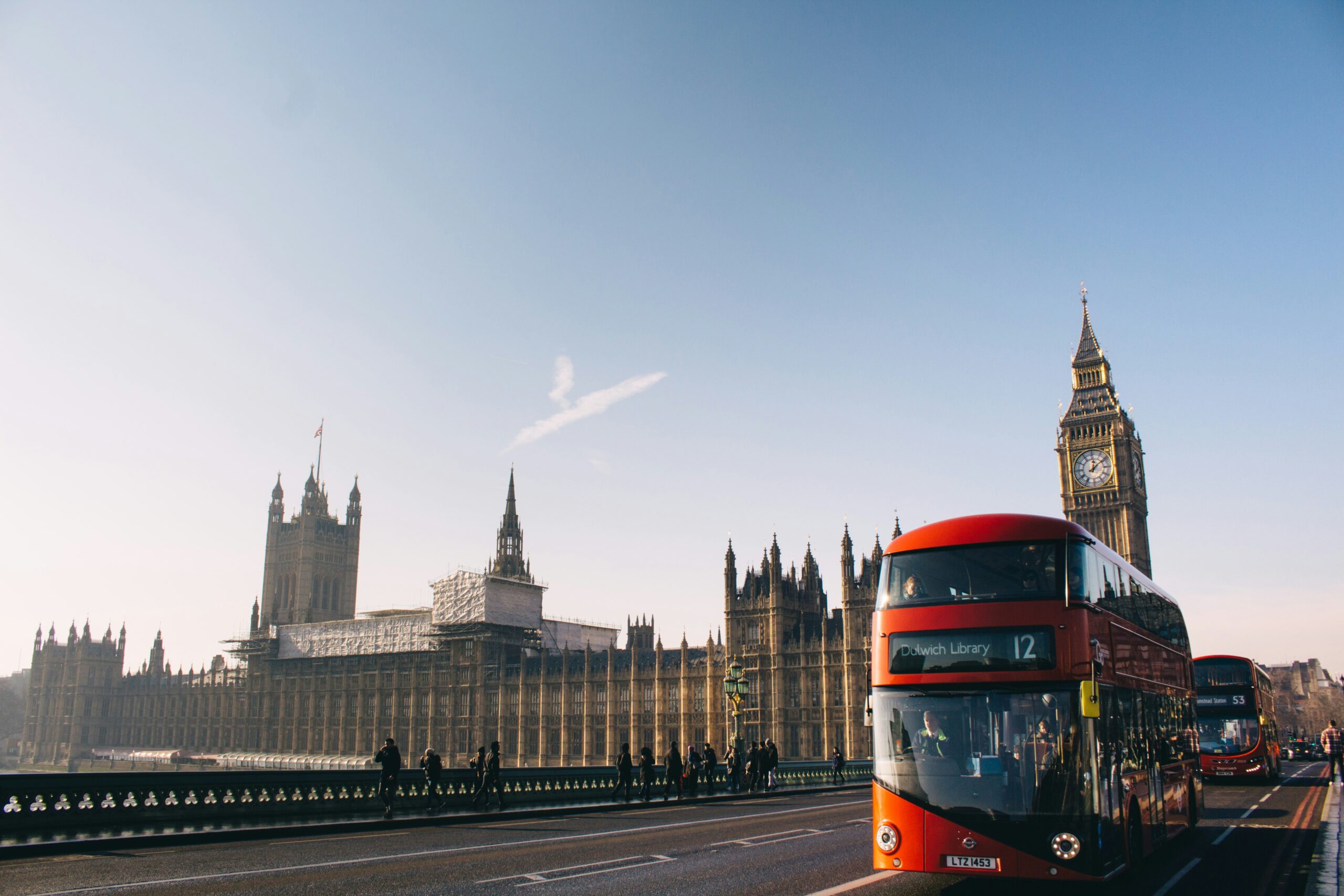
The Routemaster bus holds a cherished place in London’s cultural landscape. Its distinctive design, characterised by a sleek exterior and an open rear platform, has become synonymous with the hustle and bustle of city life. The Routemaster is not just a mode of transport; it is a symbol of a bygone era, evoking nostalgia for generations who have used it. Beyond its utilitarian function, the bus has featured in countless films, television shows, and advertisements, further embedding it into the fabric of British identity.
This iconic vehicle has sparked a variety of emotional connections among Londoners and tourists alike. It serves as a reminder of the city’s rich history and resilience, especially during times of change and challenges. The Routemaster has also played a role in community engagement, often serving as a backdrop for events and celebrations. Its presence on the streets of London is more than just aesthetic; it encapsulates a spirit of camaraderie and shared experience, making it a moving testament to the city’s character.
How the Bus Became a British Icon
The Routemaster bus, with its striking red exterior and distinctive shape, quickly became synonymous with London’s urban landscape. Launched in the mid-1950s, it represented a significant advancement in public transport design, incorporating both functionality and style. Its open rear platform allowed for a unique boarding experience, encouraging the iconic hop-on, hop-off travel that Londoners and tourists alike cherished. Artists, filmmakers, and photographers have celebrated this remarkable vehicle, capturing its essence in countless works, further solidifying its place in British culture.
Over time, the Routemaster transcended its original purpose as a mode of transport. It evolved into a symbol of the capital itself, appearing in advertising campaigns, television shows, and even music videos. The bus has been featured in famous films, often associated with the vibrant and bustling atmosphere of London. Its charm and character strike a chord with locals and visitors, creating a nostalgic connection that few other vehicles can boast. This deep-rooted affection has secured the Routemaster’s status not just as a bus, but as a beloved emblem of British heritage.
For historical context on London’s iconic fleet and the Routemaster’s legacy, see The History of London Buses and the Routemaster.