
The Impact of World War I on Public Transport
The advent of World War I brought significant challenges to London’s public transport system. The demand for buses and other forms of transport surged due to the urgent need for military movement and the influx of workers to factories and war-related industries. This necessitated a shift from a primarily leisure-based service to one that catered to the war effort. The impact was immediate, with many vehicles being requisitioned for military use, leading to a reduced fleet.
Simultaneously, the health and safety of both passengers and drivers became paramount. With a shortage of staff due to enlistment, public transport faced operational difficulties. Innovations were necessary to cope with reduced capacity while maintaining essential services. This period saw an increased emphasis on efficiency, with innovations that would lay the groundwork for post-war recovery and transformation in public transport operations.
Changes in Fleet and Operations
The onset of World War I necessitated rapid transformations within London’s public transport system. Many bus and tram drivers enlisted to serve, leading to a shortage of personnel. This prompted the introduction of women into the workforce, who took on roles traditionally held by men. The war also catalysed an urgent need to streamline operations as materials became scarce. Bus services adapted by reducing routes and increasing efficiency, making it essential to prioritise essential travel and manage the limited fleet effectively.
Post-war challenges continued to shape the operational landscape as the industry sought to recover from the war’s disruptions. The introduction of more reliable, motorised buses aimed to ensure better service and maintenance. In response to the growing population and urban expansion, the fleet diversified to accommodate different passenger needs. Electric vehicles began to feature prominently alongside traditional petrol and diesel options, marking a notable shift towards cleaner alternatives. These changes set the groundwork for a modern public transport system that would evolve significantly in the decades to follow.
Post-War Innovations in Bus Design
The period following World War II saw a surge in creativity and technological advancement in bus design. Manufacturers looked to streamline processes and enhance passenger comfort. The introduction of lightweight materials like aluminium enabled more efficient fuel consumption. Simultaneously, advancements in engine technology meant that buses could now carry larger crowds without compromising on performance. This marked a significant shift from some of the more rigid designs of the pre-war era.
Designers also prioritised aesthetics alongside functionality. Bright, bold colour schemes and modern lines began to replace the previous utilitarian styles. Features like panoramic windows and improved seating not only made journeys more pleasant but also renewed public interest in bus travel. The balance of form and function became essential, shaping the identity of public transport in a rapidly changing city.
The Aesthetic and Functional Evolution
The transformation of buses in London from utilitarian vehicles to stylish modes of transport marked a significant shift in public sentiment. Early designs prioritised function over form, often resulting in boxy and uninspired appearances. As the city’s needs evolved, so did the vision for these vehicles. The integration of innovative design elements alongside practical improvements enhanced the passenger experience while establishing a distinct local character.
Subsequent models began to reflect not only advances in engineering but also a growing appreciation for aesthetics in public transport. Sleeker lines and vibrant colours were incorporated into bus designs, contributing to a more inviting and approachable image. Passengers found joy in the visual appeal of their surroundings. The combination of practical features and innovative design ushered in an era where buses became a source of civic pride, representing a forward-thinking city eager to embrace modernity.
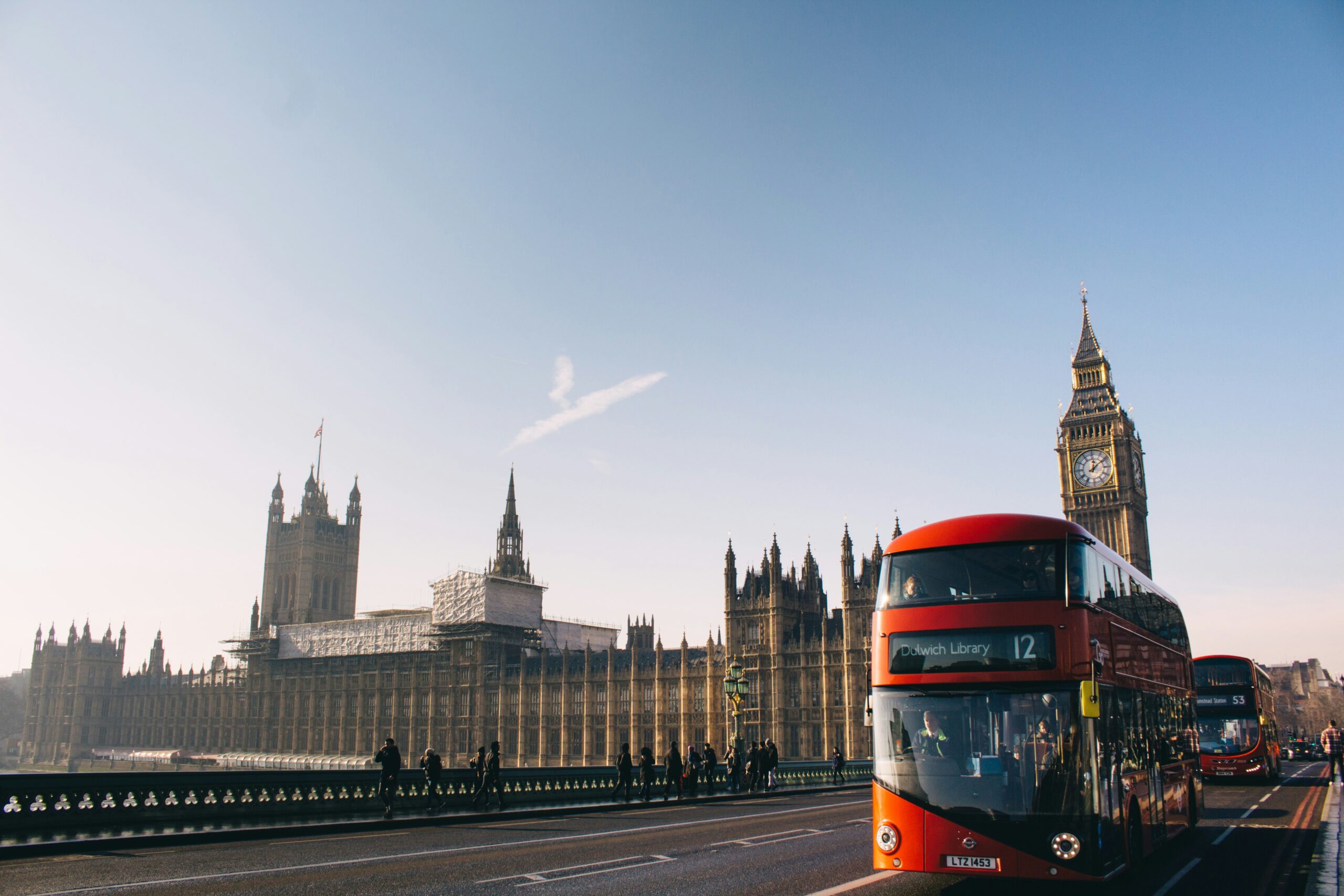
London’s Iconic Red Buses
London’s red buses have become a global symbol of the city. Their distinct colour and vintage charm have captured the imagination of residents and tourists alike. Introduced in the 1900s, these vehicles quickly transformed from practical transportation to cultural icons. The vibrant hue was selected not only for visibility but also to foster a sense of identity among London’s diverse populace.
The Routemaster, launched in 1956, revolutionised public transport with its innovative design. Its open platform and classic aesthetics made it a favourite among commuters, allowing for easy boarding and disembarking. Over the years, the Routemaster has been celebrated in popular culture, appearing in films and media, further solidifying its status as a cherished emblem of London. These buses are not merely a means of transport; they are an integral part of the city’s heritage and urban landscape.
The Significance of the Routemaster
The Routemaster bus holds a special place in London’s transportation history, celebrated for its distinct design and reliability. Introduced in 1956, it quickly became synonymous with the city’s public transport system. Its sleek lines and open rear platform allowed for efficient boarding and alighting, facilitating a rapid flow of passengers during peak times. This innovative feature contributed significantly to the bus’s popularity, making it a practical choice for Londoners navigating the bustling streets.
Beyond its functional advantages, the Routemaster evolved into an emblem of British culture and identity. Its striking red exterior and unique styling captured the imagination of locals and tourists alike. Over decades, this bus became a beloved icon, featured in films and literature, cementing its status not merely as a mode of transport but as a representation of London’s character and charm. The Routemaster’s presence has transcended its utilitarian purpose, forging deep connections with the city’s heritage and continuing to evoke nostalgia and pride among Londoners today.
For historical context on London’s iconic fleet and the Routemaster’s legacy, see The History of London Buses and the Routemaster.