
Real-Time Tracking and Navigation
The integration of advanced technology has transformed public transport, significantly enhancing the efficiency and reliability of bus services. Real-time tracking systems allow passengers to access precise information about bus locations. This development not only reduces uncertainty but also improves the overall commuting experience. Users can plan their journeys with greater confidence, knowing when buses will arrive.
Mobile applications play a crucial role in this evolution, providing instant updates and notifications. Passengers can view live data on their devices, making it easy to adjust travel plans based on current conditions. This level of connectivity ensures that information is readily available, fostering a more informed and engaged user base. By harnessing GPS and communication networks, buses can deliver improved service frequency and punctuality.
The Role of GPS and Mobile Applications
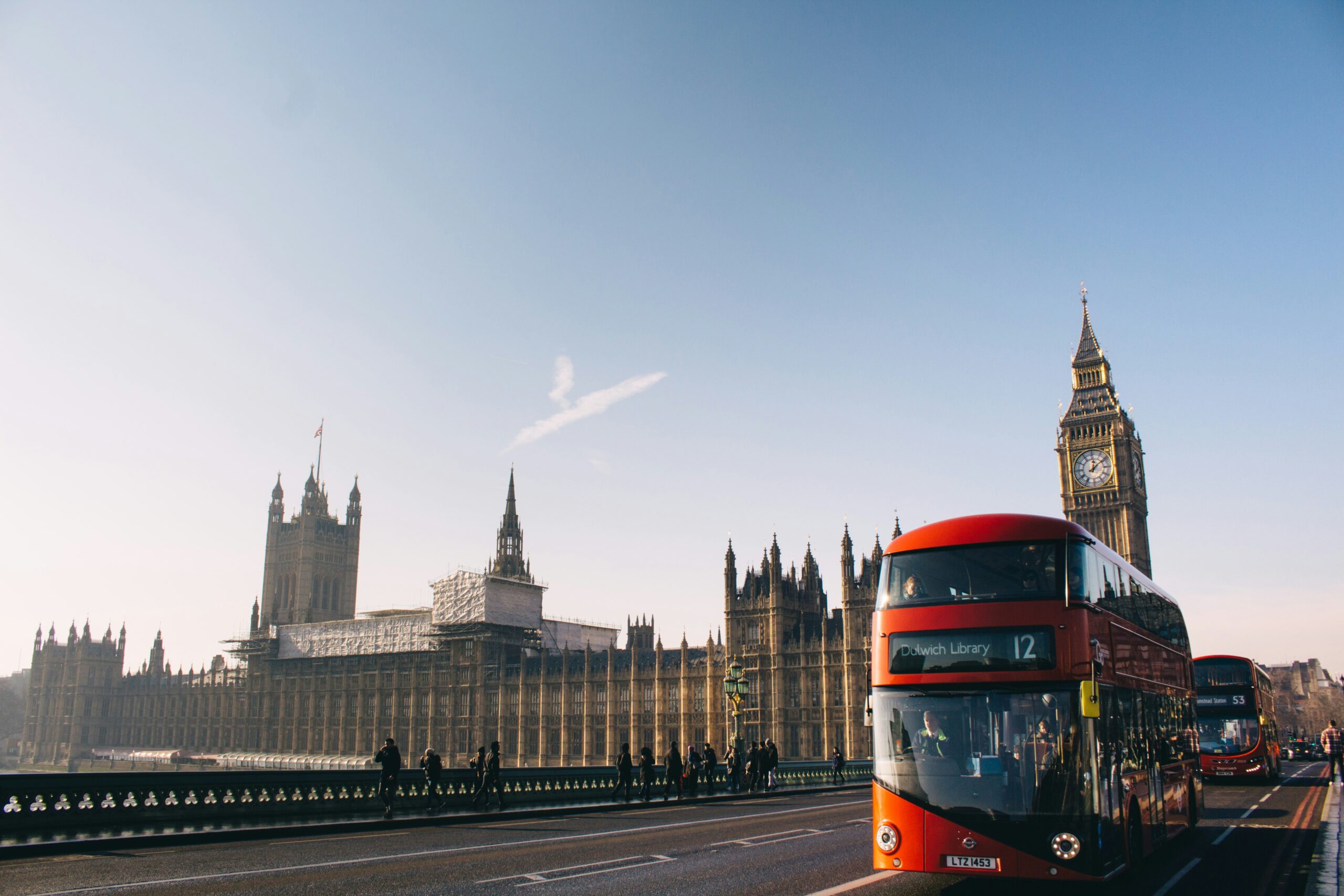
GPS technology has revolutionised public transport systems, including the iconic Routemaster buses. By integrating GPS with mobile applications, passengers can access real-time information about bus locations and expected arrival times. This transparency enhances the overall travel experience, allowing riders to plan their journeys more efficiently. Additionally, real-time updates help reduce waiting times at bus stops, making the service more appealing to both regular commuters and occasional passengers.
Mobile applications further enrich the user experience by providing interactive maps and route planning features. Users can receive alerts about delays or changes in service, ensuring they stay informed throughout their journey. Additionally, features such as mobile ticketing and secure payment options streamline the boarding process, reducing congestion at bus stops. These advancements not only promote a more user-friendly environment but also encourage greater use of public transport, contributing to the overall sustainability of urban transport systems.
Environmental Impact and Sustainability
The transportation sector faces significant challenges regarding environmental sustainability. Innovations in bus technology aim to tackle these issues by integrating more eco-friendly practices. Electric buses, utilising advanced battery systems, are becoming increasingly prevalent. These vehicles produce zero tailpipe emissions, significantly lowering urban pollution levels. Additionally, many Routemaster models are being retrofitted to run on cleaner fuels, such as compressed natural gas or hydrogen. Such upgrades contribute to a greener city infrastructure and encourage the adoption of sustainable transportation options amongst the public.
Efforts to minimise the carbon footprint of bus operations extend beyond the vehicles themselves. Smart technologies are being deployed to optimise routes and schedules, leading to improved efficiency and reduced emissions. Real-time data analytics facilitate better traffic management, allowing buses to avoid congested areas. This not only enhances travel time for passengers but also decreases fuel consumption. The combined effect of these innovations represents a significant step towards achieving sustainability goals and reducing the overall environmental impact of urban transport systems.
Reducing Carbon Footprint through Innovation
Innovations in bus technology are increasingly prioritising environmental sustainability. The integration of electric and hybrid systems marks a significant shift from traditional diesel engines, reducing greenhouse gas emissions significantly. These advancements also enhance energy efficiency, which further diminishes the overall carbon footprint of public transport systems. As cities grapple with increasing pollution levels, adopting cleaner technologies in Routemaster buses becomes paramount for urban planners.
The implementation of lightweight materials plays a crucial role in improving fuel efficiency. Manufacturers are exploring the use of advanced composites that reduce overall bus weight without compromising safety or durability. Additionally, developments in regenerative braking technology allow buses to harness and store energy typically lost during braking, contributing further to a reduction in energy consumption. Collectively, these innovations signify a proactive approach to creating a greener, more sustainable public transport future.
Potential for Autonomous Buses
The rapid advancements in artificial intelligence and sensor technologies are paving the way for autonomous buses to become a reality. These vehicles are equipped with all the necessary tools to navigate urban environments, responding to traffic conditions and passenger demands in real-time. By eliminating the need for a human driver, public transport systems can potentially enhance efficiency, reduce operational costs, and increase safety on busy routes.
Moreover, the integration of autonomous buses into the existing public transport network could create more flexible and adaptive services. This innovation holds the promise of improving access for underserved areas, offering on-demand routes that cater specifically to community needs. As cities evolve and urban populations grow, the potential for driverless technology to revolutionise public transport becomes increasingly significant, leading to a more streamlined and user-friendly experience for commuters.
Exploring the Future of Driverless Technology
The development of autonomous buses represents a significant leap forward in public transportation. Advances in artificial intelligence and machine learning enhance safety and efficiency. These vehicles rely on a complex array of sensors and cameras, enabling them to navigate urban environments seamlessly. Connectivity with city infrastructure allows for real-time traffic updates and optimised routing, reducing delays for passengers.
The implications of driverless technology extend beyond improved transit times. Passengers can use travel time for work or leisure, making public transport more appealing. Furthermore, reduced reliance on human drivers could lead to lower operational costs for transport services. It opens a world where bus services operate at higher frequencies, adapting to demand dynamically, thereby enhancing overall urban mobility.
For historical context on London’s iconic fleet and the Routemaster’s legacy, see The History of London Buses and the Routemaster.