
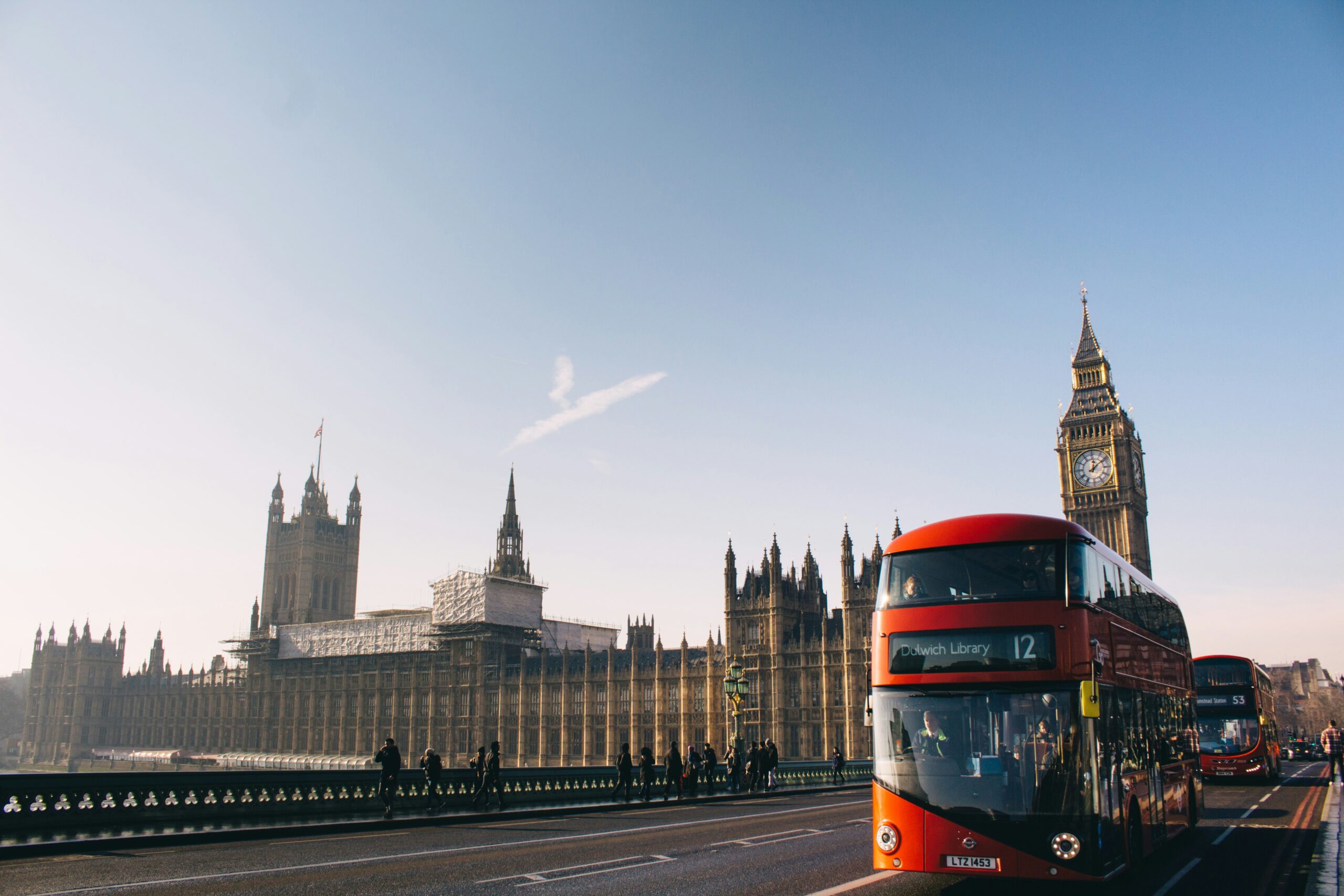
Preservation Efforts for Vintage Buses
In recent years, enthusiasts have become increasingly devoted to preserving vintage buses, recognising their cultural significance and historical value. Many groups have taken on the responsibility of restoring these classic vehicles to their former glory, often focusing on intricate details that reflect their original designs. This hands-on approach not only highlights craftsmanship but also ensures that the rich heritage of London’s public transport is not forgotten. Events showcasing these restored buses have drawn crowds, fostering community engagement while educating the public about the evolution of bus transport.
The preservation efforts often require extensive collaboration among enthusiasts, local councils, and heritage organisations. Fundraising activities, such as vintage bus rallies and open days, play a crucial role in securing the necessary finances for restoration projects. Volunteers dedicate their time and skills to ensure that each bus is meticulously maintained, resulting in a network of vintage vehicles that narrates the story of London’s transport history. These collective efforts contribute significantly to the preservation of a unique aspect of urban heritage, paving the way for future appreciation and understanding of vintage buses.
Restoration Projects and Their Significance
Vintage bus restoration projects play a crucial role in preserving London’s transport heritage. These initiatives not only safeguard iconic vehicles but also educate the public about the history of public transport in the city. Many enthusiasts dedicate countless hours to meticulously restoring buses to their former glory, using both traditional techniques and modern innovations. This blend of old and new allows for a deeper understanding of engineering advancements while celebrating the timeless charm of these vehicles.
The significance of these projects extends beyond mere nostalgia. They foster community engagement and foster social connections among enthusiasts, historians, and the general public. Open days and vintage bus events provide opportunities for people to experience the heritage firsthand, often reigniting a passion for London’s transport history. Such projects also help raise awareness about the importance of preserving historic vehicles, urging future generations to appreciate and protect their local heritage.
Collaborations with Transport Authorities
Many bus enthusiast groups maintain a close relationship with local transport authorities, leveraging their passion for vintage buses to promote awareness and build community support. These collaborations often result in joint events, such as open days and heritage bus runs. Such activities not only exhibit the historical significance of the buses but also highlight the contributions these vehicles made to London’s transport network over the decades.
These partnerships can also play a crucial role in advocacy efforts aimed at ensuring the preservation of historical buses. Through regular communication and strategic initiatives, enthusiast groups can influence local transport policy, ensuring that vintage buses are respected within the broader transit landscape. By presenting well-researched arguments and showcasing public interest, they foster a culture of appreciation around London’s rich transport heritage.
Partnerships for Advocacy and Awareness
Enthusiasts play a vital role in advocating for the preservation and appreciation of London’s iconic bus heritage. Collaborations with local transport authorities have fostered a creative environment where ideas can flourish. These partnerships bring together a wealth of knowledge and resources, allowing both parties to work towards common goals. Projects often include educational initiatives that highlight the historical significance of London’s bus network, drawing in the public and stirring interest in the past.
The synergy created through these collaborations extends beyond the historic perspective. By harnessing the collective enthusiasm of various groups, outreach programmes are developed to raise awareness of public transport’s importance in urban sustainability. Workshops and events designed by enthusiasts not only celebrate vintage buses but also encourage discussions on future transport policies. Each initiative serves to bridge the gap between past and present, ensuring that the rich legacy of London’s bus system continues to inspire generations to come.
Regional Differences in Bus Enthusiasm
In various parts of the UK, the enthusiasm for buses varies considerably. London stands out as a hub of admiration, driven by its iconic red double-decker models and the intricate history encapsulated within its extensive network. Enthusiasts flock to the capital, where events drawing enthusiasts together, such as bus rallies and vintage fairs, underline the vibrant culture surrounding these vehicles. Comparatively, cities like Manchester and Birmingham exhibit a different kind of passion, focusing on modern developments and sustainability. Their enthusiasts often engage with the latest innovations and advocate for greener practices within public transport.
When examining bus enthusiasm across Europe, notable disparities emerge. Cities like Berlin showcase a blend of historical and contemporary bus cultures, appealing to both restoration aficionados and tech-savvy advocates. Meanwhile, in Paris, the focus tends to lean more towards tram systems and metro networks, overshadowing the status of buses. Each city carves out its own niche, with enthusiasts participating in local forums and social media groups, fostering connections that reflect their unique regional cultures and challenges.
Comparing London with Other Major Cities
The enthusiasm for bus culture varies significantly from city to city, each with its distinct characteristics and focus areas. In London, the iconic red double-decker buses reign supreme, symbolising not only the city’s public transport but also its rich history. In contrast, cities such as Paris and New York celebrate their own unique transport modes, with the Parisian RATP‘s articulated buses and the expansive New York MTA fleet often taking centre stage. Each city’s bus culture reflects its historical context and urban landscape, leading to different types of interest and engagement among enthusiasts.
Across the UK and beyond, smaller towns and cities often showcase a more community-oriented approach to bus preservation. Places like Manchester and Bristol foster active local enthusiast groups that focus on preserving historical models relevant to their unique transport heritage. Comparisons can also be drawn with cities like Tokyo, where bus enthusiasm may not be as prominent but reflects a critical aspect of the local transit system through efficiency and innovative designs. The variances in enthusiasm highlight regional identities, shaping how bus lovers engage with and advocate for their local transport networks.
For historical context on London’s iconic fleet and the Routemaster’s legacy, see The History of London Buses and the Routemaster.