
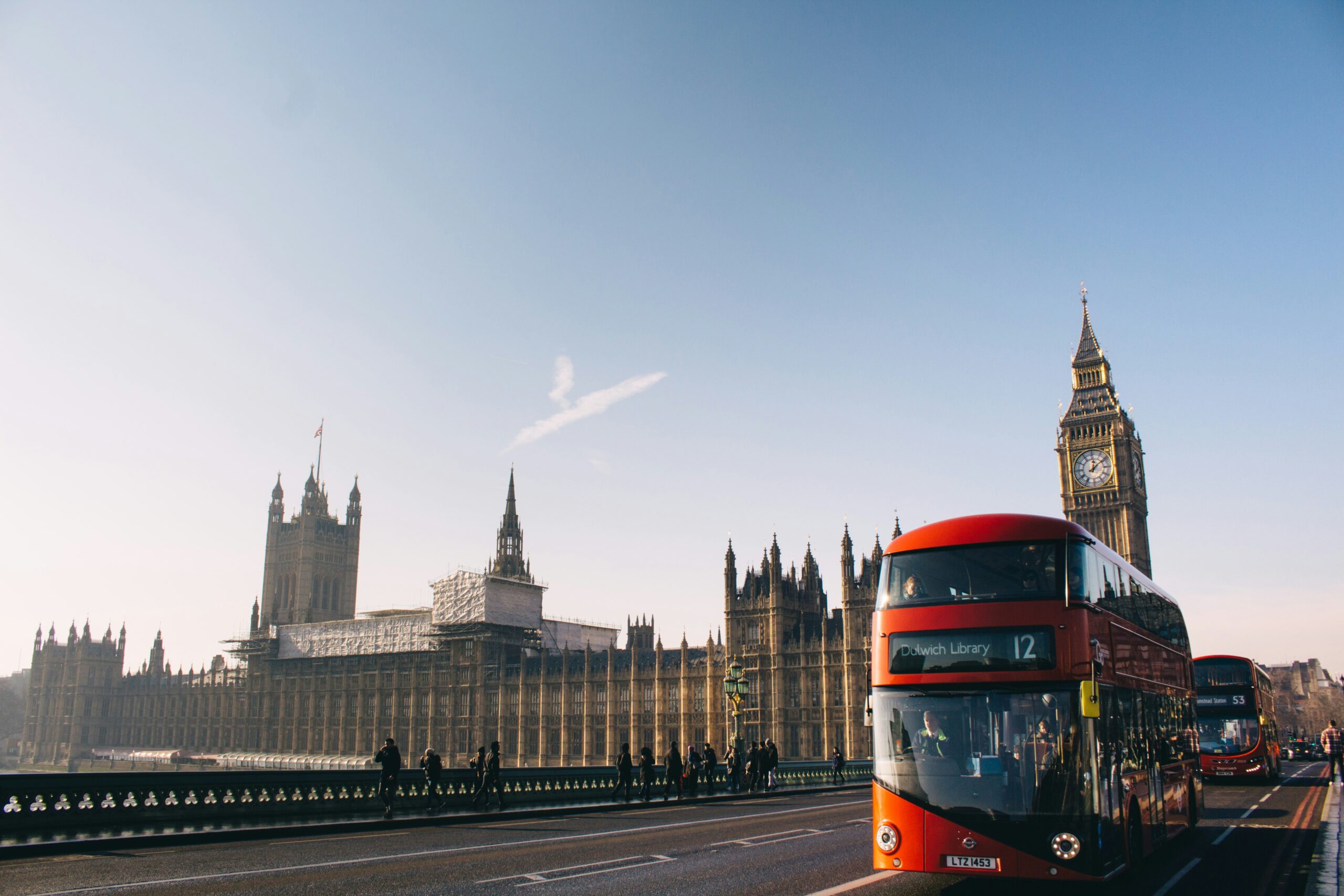
Iconic London Bus Routes Featured in Media
London’s bus routes serve as more than just public transport; they have become symbols of the city’s identity, often gracing screens big and small. The famous Route 49, for example, travels through some of London’s most vibrant neighbourhoods, making it a popular choice for filmmakers. Scenes capturing the bus winding through bustling streets have lent a quintessentially London feel to various productions, from romantic comedies to gritty dramas. Its picturesque journey allows filmmakers to draw audiences into the city’s rich tapestry of cultures and experiences.
Additionally, other routes like the infamous Number 9 have made their mark. This line has appeared in classic British cinema, symbolising not only the city but also the spirit of Londoners. Its bright red exterior and iconic design hold a nostalgia that resonates with locals and tourists alike. By featuring these routes in their narratives, filmmakers celebrate the everyday moments that define life in London, intertwining anecdotal storytelling with the allure of the city’s public transport system.
Route 49 and Other Famous Lines
Among the myriad bus routes that traverse the streets of London, Route 49 stands out as a reliquary of urban stories and cultural snapshots. This route connects Clapham Junction to Whitechapel, weaving through an eclectic array of neighbourhoods and demographics. Given its trajectory, it has been a popular choice for filmmakers seeking to capture the essence of London life. The sights and sounds encountered along this journey provide a vivid backdrop, making Route 49 emblematic of the city’s dynamic spirit.
Other noteworthy lines have also made their mark on screen, offering glimpses into distinct corners of the metropolis. Iconic routes such as the red double-decker buses along Route 15, which winds through the heart of the City, and Route 25, linking Ilford to Oxford Circus, offer not just transportation but also a visual narrative that reflects the ever-evolving urban landscape. These routes repeatedly feature in both contemporary and classic cinema, symbolising not just a means of travel but also a vehicle for storytelling, connecting the past with the present as they navigate through time-honoured streets.
The Nostalgia Factor
Transporting audiences back to simpler times, London buses evoke a deep sense of nostalgia. Their distinctive red exteriors and iconic double-decker designs conjure images of city life that resonate with generations. Many songs and music videos have harnessed this emotional connection, using the bus as a backdrop to explore themes of love, adventure, and the passage of time. As a symbol of the city, the bus encapsulates the spirit of travel and communal experiences that define urban living.
The rhythmic clattering of a London bus, coupled with its vibrant presence, often features in tracks that celebrate the city’s unique character. From indie anthems to classic pop hits, these representations highlight personal stories intertwined with the experience of riding the bus. In music videos, the bus serves not only as a mode of transport but also as a canvas for storytelling, embodying the dreams and aspirations of those who call London home. Each frame captures fleeting moments, leaving an indelible mark on viewers’ hearts.
Songs and Music Videos Featuring London Buses
The vibrant streets of London, punctuated by the iconic red buses, have served as a backdrop for a variety of musical expressions. Artists from different decades have woven these buses into their narratives, creating visual and auditory connections to the essence of London life. For instance, The Jam’s classic “A Town Called malice” features scenes of bus journeys that evoke both nostalgia and the realities of urban existence. Likewise, videos for tracks by contemporary artists often showcase these buses, highlighting their status as integral to the city’s identity.
Music videos frequently utilise the striking imagery of London buses to enhance their storytelling. They portray characters navigating the city, with each bus ride symbolising a journey that reflects emotional highs and lows. Notable examples include the artistic representations found in the visuals of the song “London” by the band The Smiths, where the bus becomes a vessel of longing and exploration. Such depictions resonate with audiences, transcending mere transportation to embody a sense of place and cultural significance within the vibrant tapestry of London’s musical landscape.
The London Bus as a Cultural Symbol
The London bus stands as a prominent symbol of the city itself, embodying both the hustle and bustle of urban life and its rich historical tapestry. With its vibrant red exterior, the iconic double-decker has woven its way through the streets of London, becoming synonymous with the experience of navigating the metropolis. Tourists and locals alike find themselves enchanted by the sight of these buses, often associating them with memorable journeys through famous landmarks and hidden gems.
Beyond mere transportation, the London bus represents an enduring connection to the city’s identity. It serves as a canvas for stories and experiences, depicting the diverse lives of those who travel on board. Cultural references in film, television, and music reinforce its status as an icon, while the bus’s presence often evokes nostalgia and a sense of belonging. For many, it is not simply a mode of travel but a testament to the ever-evolving narrative of London.
Representations of Identity and Tradition
The London bus has become synonymous with the city’s vibrant culture and heritage. Its distinctive red exterior and iconic double-decker design evoke a sense of nostalgia and belonging for many Londoners. The bus is not merely a mode of transport but a moving symbol of the diverse stories and communities that define the capital. Young and old alike reminisce about the sights and sounds experienced while travelling through familiar streets.
In creative works, buses often serve as a backdrop for exploration of themes such as identity and tradition. They appear in films and television shows as vehicles for personal journeys and collective experiences, highlighting connections to the city’s history. Music artists have also utilised the bus setting to express their narratives, reinforcing its status as a cultural icon. Each representation adds layers to the narrative of London, showcasing how deeply the bus is interwoven with the urban tapestry of life in the capital.
For historical context on London’s iconic fleet and the Routemaster’s legacy, see The History of London Buses and the Routemaster.