
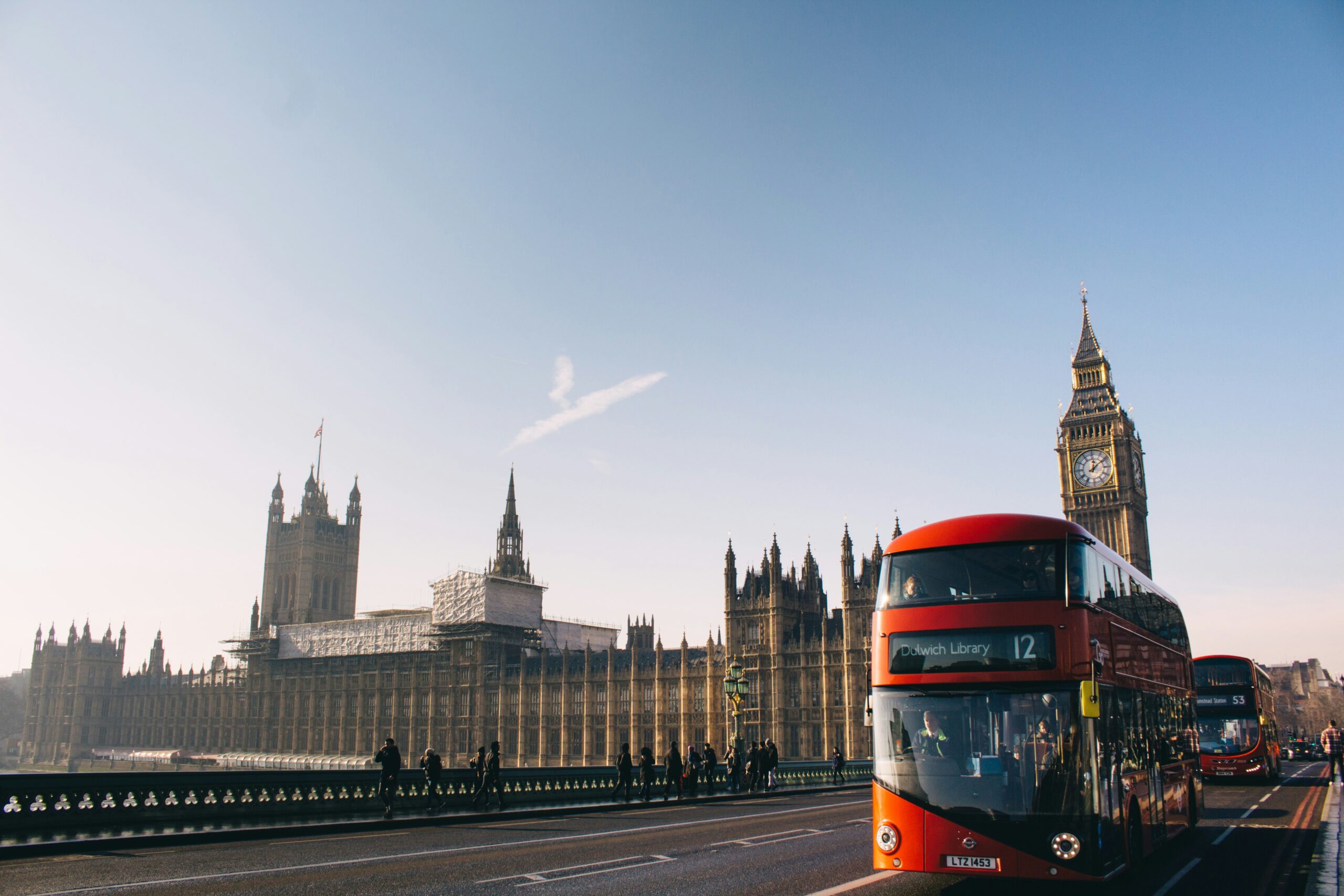
Popular Tourist Attractions Served
London’s heritage bus routes provide a scenic and engaging way to explore the city’s most notable attractions. Iconic landmarks such as the British Museum, Buckingham Palace, and the Tower of London feature prominently on these routes. Each journey is rich with visual delights and opportunities for those wishing to appreciate the city’s cultural offerings. The buses act as a mobile viewing platform, delivering history and architecture directly to passengers as they navigate through the streets.
In addition to the famous sites, lesser-known gems are also accessible via these routes. Places like Leadenhall Market and St. Paul’s Cathedral invite exploration away from the busy tourist hotspots. The heritage buses allow visitors to enjoy a relaxed pace while discovering hidden treasures that contribute to London’s diverse appeal. By hopping on these distinctive vehicles, tourists can create a personalised itinerary based on their interests, enhancing their overall experience of the capital.
Sightseeing Opportunities on Heritage Routes
Heritage bus routes offer a unique perspective on London’s rich history and vibrant culture. Passengers aboard these vintage vehicles are treated to picturesque views of iconic landmarks, allowing for an immersive sightseeing experience. The journeys often wind through areas steeped in historical significance, such as Westminster with its stunning views of Big Ben and the Houses of Parliament. These routes provide an informal yet informative encounter with the city, enriching the traveller’s understanding without the need for a formal guide.
Moreover, the open-top design of many heritage buses enhances the experience, enabling unobstructed panoramic views of the cityscape. Tourists can capture remarkable photographs while gliding past renowned attractions like the Tower of London and St Paul’s Cathedral. The combination of nostalgia and authenticity brings a delightful charm, making these rides appealing not just for tourists but also for locals eager to rediscover their city. Engaging with guides who share anecdotes about landmark sites adds a layer of personal connection to the journey.
Accessibility and Inclusivity
Heritage bus routes in London strive to offer an accessible travel experience for all passengers. The iconic red buses are equipped with features that make them suitable for individuals with varying mobility needs. Low-floor designs enable easier boarding for those using wheelchairs or crutches. Additionally, the provision of designated priority seating ensures that elderly passengers and those with reduced mobility can find comfortable spots during their journey.
Beyond physical accessibility, these routes are designed to cater to a diverse range of passengers. Visual and auditory announcements provide vital information about stops, helping those with visual or hearing impairments navigate their journey more effectively. Staff members are trained to assist passengers facing difficulties, demonstrating a commitment to inclusivity. The overall approach aims to create a welcoming environment for everyone exploring London’s rich heritage.
Provision for Passengers with Disabilities
London’s heritage bus routes are committed to ensuring accessibility for all passengers. Many of the buses include features such as low-floor entrances and ramps, making it easier for individuals with mobility challenges to board and alight. These adaptations cater to a diverse range of disabilities, promoting inclusivity and enhancing the travel experience for everyone.
To further assist passengers with disabilities, staff members receive specialised training on how to provide support. Information about accessibility is readily available, ensuring that travellers can make informed choices ahead of their journey. Additional services, including audio-visual announcements, help ensure that all passengers remain informed and engaged throughout their ride.
Ticketing and Fare System
The ticketing and fare system for London’s heritage bus routes offers both convenience and flexibility for passengers. Visitors can purchase single journey tickets for a specific route or opt for a day pass, which allows unlimited travel on these iconic buses for the entire day. This caters to tourists eager to explore various attractions without the burden of multiple transactions. Payments can be made easily through contactless cards, mobile apps, or traditional cash, providing a range of options to suit different preferences.
Understanding the pricing structure is essential for those planning their journeys. Fares typically remain consistent for all heritage routes, ensuring predictability in costs. However, certain travel cards may offer discounted rates, making it more economical for frequent travellers. The simplicity of the fare system, combined with the charm and nostalgia of the heritage buses, makes for a delightful travel experience across the city’s historical sights.
Understanding the Pricing Structure
The fare system for London’s heritage bus routes offers a unique approach that varies from standard public transport. Passengers can expect to find a flat-rate pricing model, making it easier to budget for sightseeing adventures without worrying about distance. Tickets are available for purchase on board the bus, where cash payments are accepted alongside contactless payments, ensuring convenience for all visitors. This straightforward approach suits tourists who wish to hop on and off at various attractions without the complexity of calculating fares based on travel zones.
Additionally, travel passes are often provided in conjunction with the heritage routes, allowing unlimited rides within a designated period. This feature encourages exploration by making it economical for passengers to visit multiple sites throughout the day. However, it remains important for travellers to confirm specific pricing details prior to embarking on their journeys, as variations may occur depending on seasonal promotions or special events.
For historical context on London’s iconic fleet and the Routemaster’s legacy, see The History of London Buses and the Routemaster.