
Community Engagement in Sustainable Practices
Local communities play a crucial role in advancing sustainability efforts within public transport systems. Their participation can lead to more effective environmental initiatives that resonate with the needs and values of those who use the service. Engaging residents in conversations about sustainable practices encourages a sense of ownership and responsibility. This grassroots involvement can manifest in various forms, such as community meetings, workshops, or collaborative projects that aim to reduce carbon emissions and promote eco-friendly alternatives.
Involving citizens fosters a culture of sustainability that extends beyond mere compliance with regulations. When communities are educated about the impacts of public transport on the environment, they tend to support initiatives that contribute to greener operations. This collaborative approach often results in innovative solutions tailored to local contexts. By harnessing the insights and creativity of community members, public transport agencies can develop strategies that align with both environmental goals and the priorities of those they serve.
Involving Local Communities in Environmental Efforts
Local communities play a vital role in shaping sustainable transport initiatives, particularly with the Routemaster bus operations. Engaging residents fosters a sense of ownership and responsibility towards the environment. Programs that invite community input can lead to innovative solutions that align with local needs. By organising workshops or town hall meetings, transport authorities can gather valuable insights from those who rely on the bus service daily, ensuring that sustainability efforts are tailored to the community’s unique characteristics.
Collaboration with local organisations enhances these initiatives further. Schools, environmental groups, and businesses can partner with transport operators to promote green practices. Initiatives such as tree planting days or public awareness campaigns can mobilise community members while reinforcing their commitment to sustainable living. These grassroots efforts not only improve public transport but also cultivate stronger community bonds, encouraging a collective approach towards reducing carbon footprints.
The Role of Government Regulations
Effective regulation is crucial in fostering sustainability within public transport systems, including Routemaster bus operations. Government policies can set clear standards for emissions, fuel efficiency, and maintenance practices that directly impact environmental outcomes. These regulations can also offer incentives for operators to invest in greener technologies. By establishing a framework for accountability, authorities can encourage operators to prioritise sustainable practices in their daily operations, ensuring that the infrastructure supports eco-friendly initiatives.
Additionally, government oversight plays a key role in promoting innovation within the transport sector. Regulation can stimulate research and development by providing funding opportunities for sustainable technologies. By encouraging partnerships between public agencies and private enterprises, a more cohesive approach to sustainability can emerge. This collaboration can lead to the implementation of groundbreaking strategies that not only reduce environmental footprints but also enhance the overall efficiency of Routemaster bus services.
Policies Promoting Sustainability in Public Transport
Numerous policies have emerged globally, aiming to make public transportation more sustainable. These initiatives often focus on reducing greenhouse gas emissions and improving energy efficiency. Governments are increasingly supporting investments in greener technologies such as electric and hybrid buses. Such measures not only decrease the carbon footprint of public transport systems but also contribute to enhanced air quality in urban areas.
Incentives for operators to adopt low-emission vehicles are gaining traction as well. Funding schemes and tax breaks encourage the transition away from older, less efficient models. Regulatory frameworks are evolving to set ambitious targets for emissions reductions, aligning public transport goals with climate objectives. By establishing stricter pollution standards, authorities are motivating companies to innovate and implement sustainable practices across their fleets.
Case Studies of Successful Implementations
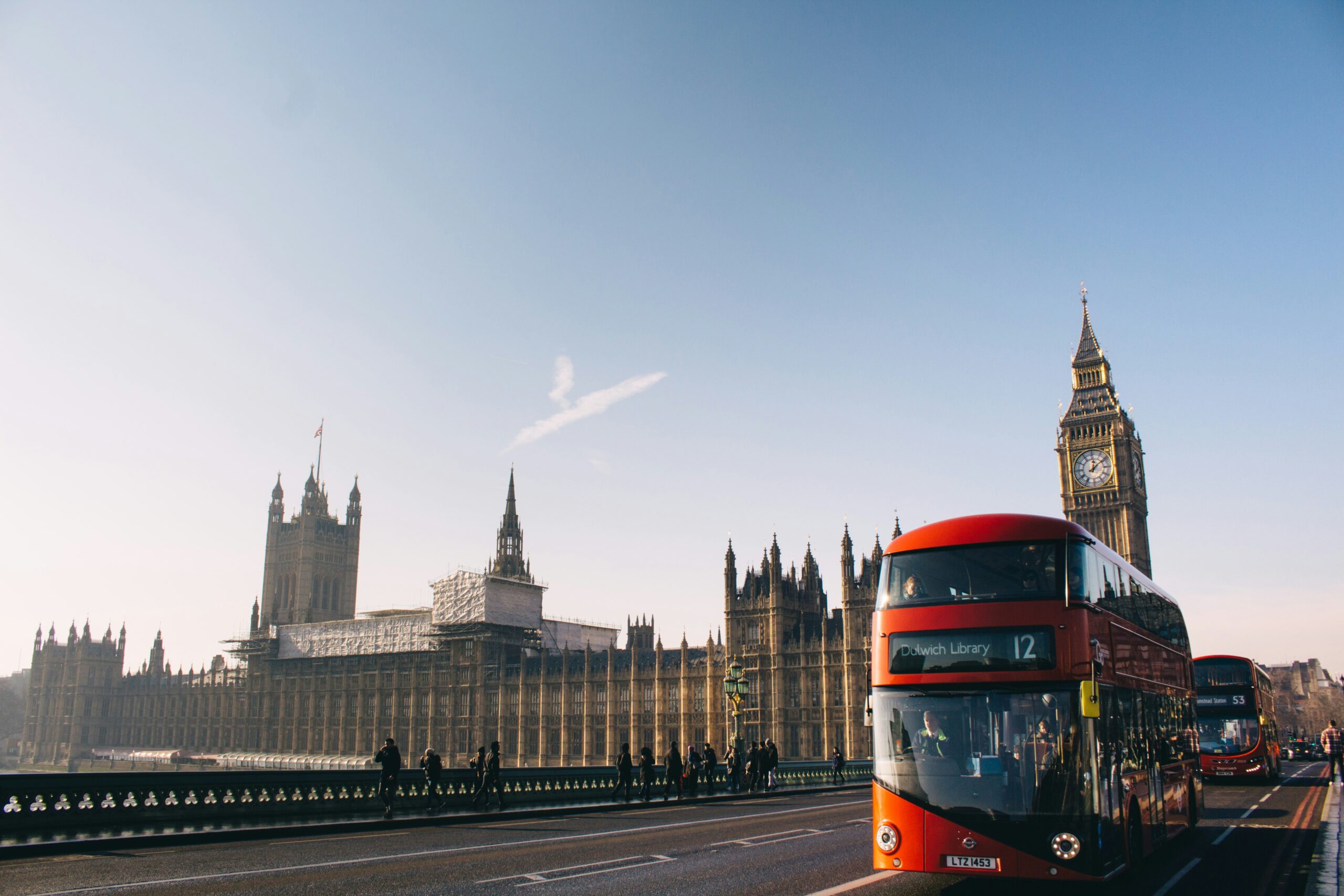
Across various cities, innovative approaches to sustainable bus operations have shown impressive results. London’s introduction of hybrid Routemaster buses marked a significant step towards reducing carbon emissions while maintaining the historical essence of the iconic transportation option. These buses incorporate advanced technologies that optimise fuel efficiency and lower energy consumption. Feedback from passengers highlights a positive reception, with many appreciating the quieter ride and improved environmental standards.
Another notable example comes from the city of Hamburg, where the local transport authority has implemented a comprehensive sustainability strategy. This approach includes shifting to a fully electric fleet, alongside the integration of renewable energy sources at bus depots. The initiative not only supports environmental goals but also emphasises community benefits, as residents enjoy cleaner air and an enhanced public transport experience. Such forward-thinking implementations serve as templates for cities looking to enhance their sustainability efforts in public transport.
Examples of Sustainable Initiatives from Cities
Cities around the world have implemented various innovative strategies to enhance the sustainability of their public transport systems. For instance, London has embraced hybrid buses, reducing emissions while maintaining the iconic Routemaster aesthetic. This initiative, paired with expanded bus lanes, has improved traffic flow and encouraged more residents to opt for public transport instead of private vehicles.
In another example, Amsterdam is renowned for its extensive cycle paths and public bike-sharing programmes, promoting eco-friendly travel options alongside its bus services. The city’s commitment to integrating sustainable practices has also led to the deployment of electric buses. These efforts not only reduce carbon footprints but also create a healthier urban environment for all residents.
For historical context on London’s iconic fleet and the Routemaster’s legacy, see The History of London Buses and the Routemaster.