
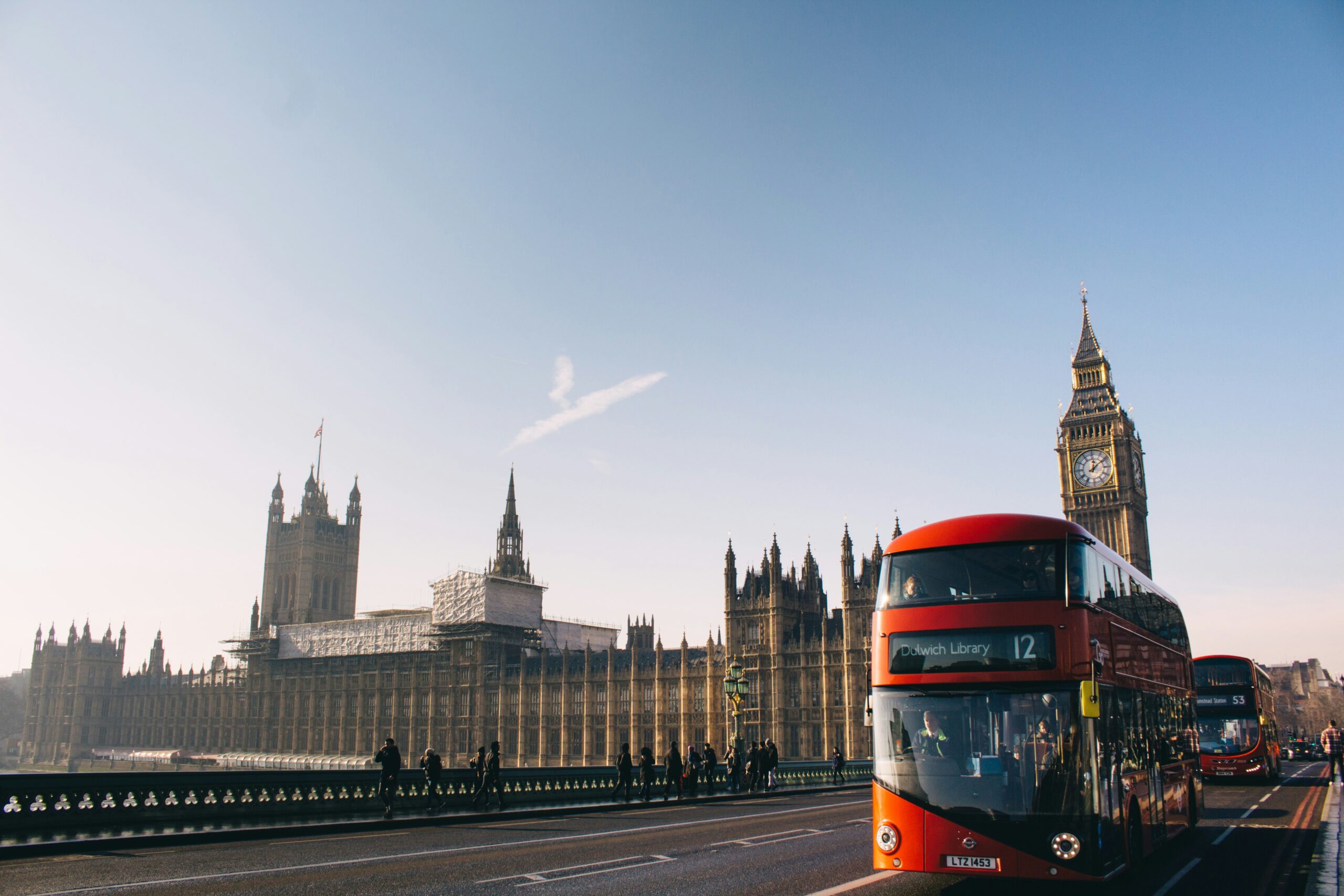
Common Routes and Their Highlights
London’s bus network is a sprawling tapestry of routes that serve as a lifeline for residents and tourists alike. Among the most popular is the iconic Route 15, which displays a kaleidoscope of historical landmarks as it whisks passengers from Tower Hill to Trafalgar Square. Along the way, travellers can soak in views of the impressive Tower of London and the majestic St. Paul’s Cathedral. The journey offers a unique vantage point, making it an appealing choice for those keen to experience the city’s rich architectural heritage.
Another favourite is Route 39, a scenic line that meanders through the vibrant streets of Clapham to Islington. This route is particularly special due to its proximity to trendy restaurants and eclectic shops, providing ample opportunities for exploration. Passengers aboard Route 39 can enjoy a delightful ride past well-known attractions like the bustling Clapham Common and the charming Camden Market, making it a must for anyone wanting to capture the essence of London’s dynamic cultural scene.
Must-See Stops Along the Way
As you traverse the streets of London on the bus, a variety of iconic landmarks beckon for your attention. One such stop is Trafalgar Square, where the towering Nelson’s Column stands amid fountains and statues, a hub of activity and culture. Just a short ride away, the British Museum offers a glimpse into history with its extensive collection. The impressive architecture of the museum itself makes it a worthwhile destination on your route.
Another highlight is the vibrant area of Camden Market, renowned for its eclectic mix of shops and delicious street food. The bus journey provides a unique vantage point to soak in the colourful atmosphere before stepping off to explore further. Don’t miss the opportunity to visit the historic Tower of London, where centuries of history come alive. These stops not only enrich your journey but also offer distinct slices of London’s dynamic character.
Navigating During Peak Hours
Using buses during busy periods can prove challenging yet manageable with a few strategies. Understanding the peak hours, which typically range from 7:30 AM to 9:30 AM and 5:00 PM to 7:00 PM, allows passengers to plan their journeys effectively. Travelling just outside of these times can lead to a more pleasant experience. Knowing the routes that are prone to congestion can also help in selecting alternative options.
Preparing ahead can alleviate some stress associated with travelling during these hectic times. Real-time tracking apps provide valuable information, allowing passengers to check bus arrival times and estimated delays. Additionally, selecting stops that are less frequented can reduce the likelihood of overcrowding. Having the option to adjust arrival times or even considering non-peak travel days can further enhance the overall experience while navigating the city’s bus network.
Strategies for Avoiding Crowds
Travelling during off-peak hours can significantly enhance the bus experience in London. Early mornings and late evenings typically witness a decline in passenger numbers. Planning your journeys around these quieter times allows for a more comfortable ride. Additionally, utilising routes that are less popular or taking alternative stops can help in steering clear of congested areas.
Staying updated with real-time bus schedules is another effective strategy. Many mobile applications provide live updates on bus wait times and crowd levels. These resources enable passengers to make informed decisions about timing and routes, helping to avoid the hustle and bustle of crowded buses. Being flexible with your travel schedule may also provide opportunities to explore less frequented areas of the city while enjoying a more serene journey.
Accessibility on London Buses
London’s public transport system has made significant strides in improving accessibility for all passengers. Many buses are equipped with low floors, allowing easy access for those with mobility impairments or those using pushchairs. Visual and audio announcements are standard on most buses, ensuring that information is readily available for passengers with sight or hearing difficulties. The commitment to making the bus network inclusive is reflected in various initiatives aimed at raising awareness among drivers and promoting a welcoming environment for all.
Moreover, the inclusion of priority seating ensures that those who need assistance can find suitable space quickly. Assistance dogs are allowed on all services, reinforcing the commitment to support passengers who require this type of help. Transport for London has also implemented training programmes for staff to enhance their understanding of the needs of disabled passengers. This approach fosters a culture of respect and consideration on the buses, allowing everyone to travel with confidence and ease.
Services for Passengers with Disabilities
London’s public transport system prioritises inclusivity, ensuring accessibility for all passengers. Buses feature low floors to facilitate easy boarding, alongside designated wheelchair spaces and priority seating. Moreover, many vehicles are fitted with audio and visual announcements, providing crucial information for those with hearing or visual impairments.
Support services extend beyond physical accessibility. Transport for London (TfL) offers a ‘Travel Support Card’ scheme, allowing individuals to receive tailored assistance during their journeys. Additionally, specially trained staff members are available at key locations, ready to provide help and advice to passengers with disabilities. This commitment to accessible travel contributes significantly to a more equitable experience when navigating the city’s extensive bus routes.
For historical context on London’s iconic fleet and the Routemaster’s legacy, see The History of London Buses and the Routemaster.