
The Impact on Local Communities
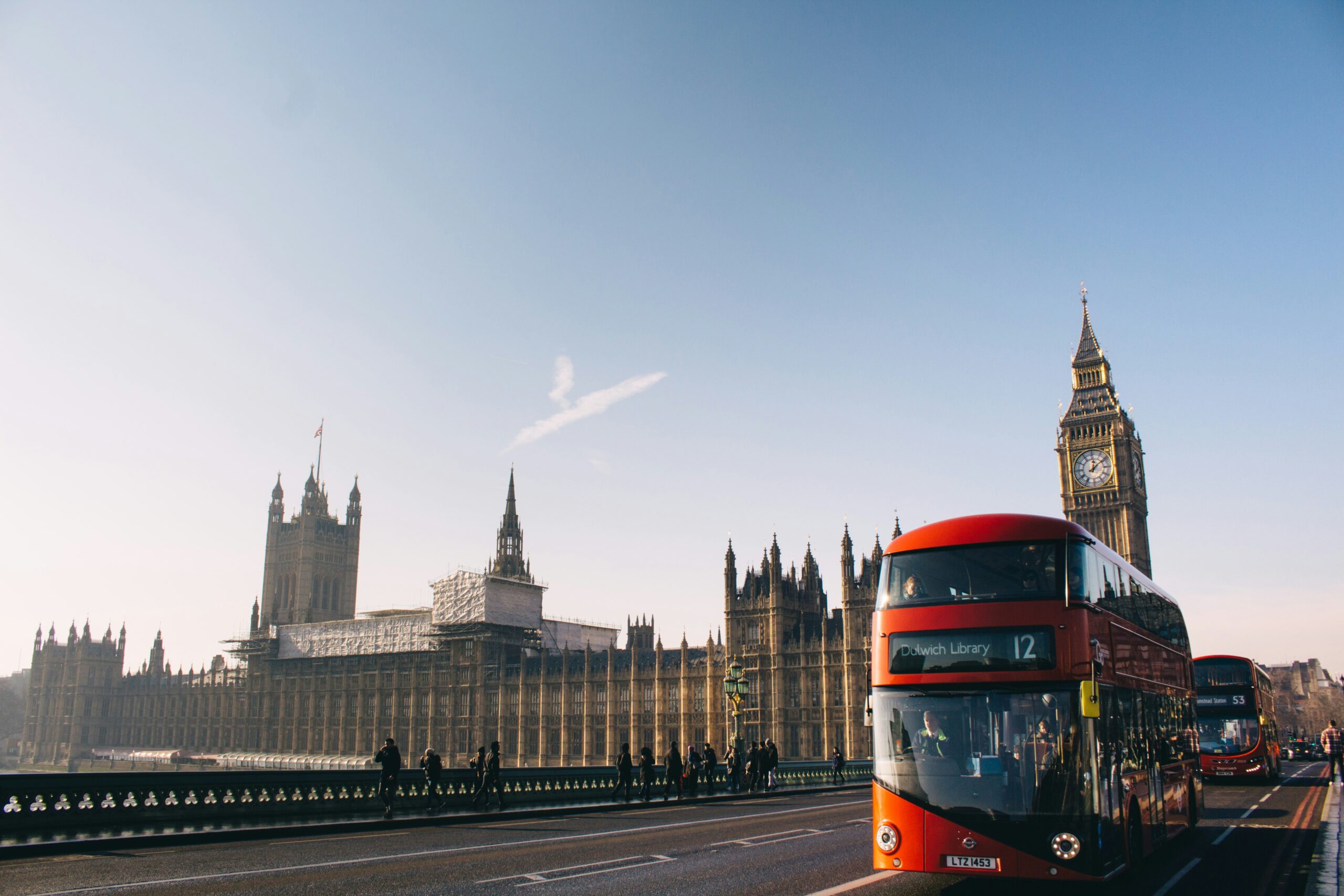
The iconic Routemaster buses have long served as a vital link in London’s public transport network. Their distinctive design and frequent service have made them more than just a mode of transportation; they represent a sense of identity for countless Londoners. As these buses navigate through diverse neighbourhoods, they facilitate not only the movement of people but also the interactions that enrich community life. Passengers from various backgrounds come together, creating opportunities for social engagement and cultural exchange.
In addition to fostering connections among residents, the Routemaster buses play a significant role in sustaining local commerce. They provide convenient access to shops, markets, and amenities spread across the city, encouraging individuals to explore and spend within their communities. This easy mobility contributes to the vibrancy of local economies, allowing small businesses to thrive as they benefit from the foot traffic generated by these beloved vehicles. The presence of Routemaster buses thus helps cultivate a sense of place, reinforcing community ties while supporting economic vitality.
Fostering Social Interaction and Mobility
Routemaster buses have long served as a vital link within London’s public transport network, facilitating not only the movement of individuals but also the fostering of community ties. The distinctive red buses, with their iconic open rear platforms, create a unique social setting. Passengers often find themselves engaging in conversations with fellow commuters. This informal environment encourages social interactions that transcend age and background, knitting together a diverse tapestry of the city’s populace.
Mobility enhancements attributed to Routemaster buses play a significant role in promoting accessibility across London. The easily identifiable buses navigate through the city’s bustling streets, providing a reliable means of transport for both locals and visitors. Increased accessibility to various neighbourhoods enables residents to explore different areas, supporting a sense of belonging. By breaking down barriers in transportation, these buses make it easier for individuals to connect with each other and participate in community life.
Adaptation and Modernisation of Routemaster Buses
Over the years, Routemaster buses have undergone significant transformations to meet the changing needs of Londoners while still maintaining their iconic status. The introduction of technology has revolutionised their functionality, with new models featuring electronic ticketing systems and low-floor access for improved mobility. These adaptations ensure that the buses remain accessible to a wider demographic, including the elderly and those with disabilities. Such modernisations do not detract from the vehicles’ charming aesthetic; instead, they preserve the classic Routemaster silhouette, marrying nostalgia with contemporary convenience.
The commitment to sustainability has also prompted changes in the fleet. Hybrid and electric versions of the Routemaster have been introduced, aimed at reducing the carbon footprint and improving air quality in the city. The sleek designs incorporate energy-efficient technologies while retaining the visual flair that Londoners and tourists alike cherish. With these progressive updates, the Routemaster continues to embody both a rich history and a forward-looking vision for urban transportation.
Balancing Tradition with Innovation
The Routemaster buses have exemplified a unique blend of historical significance and contemporary functionality throughout their operational history. Retrofitting these iconic vehicles has allowed them to meet strict environmental standards while maintaining their classic appeal. Improved engine efficiency and accessibility features demonstrate a commitment to modernising public transport without compromising the character that makes these buses emblematic of London. Features such as low-emission engines and enhanced safety measures are crucial in a modern urban landscape.
Embracing innovative technology has significantly improved the passenger experience on Routemaster buses. Upgraded scheduling and real-time tracking systems ensure that commuters can rely on punctual service, while digital displays provide essential information throughout London’s sprawling network. The efforts to integrate these advancements while preserving the aesthetic and charm of the original design highlight a dedication to keeping the Routemaster relevant in an ever-evolving city. This careful balancing act reflects London’s broader commitment to honouring its past while adapting to contemporary needs.
Economic Contributions of Routemaster Buses
The Routemaster buses have played a vital role in driving London’s economy, serving as a backbone for transport that connects residents, workers, and tourists with local businesses. Their distinctive red exterior attracts visitors, enhancing the city’s appeal and encouraging exploration of various neighbourhoods. Each journey taken on these iconic buses not only supports the public transport system but also taps into the spending potential of commuters and tourists alike, contributing to the overall vibrancy of local economies.
Moreover, the operations surrounding Routemaster buses generate significant employment opportunities. From drivers to maintenance staff and administrative roles, the demand for a trained workforce instils a sense of economic stability in communities affected by transport. As these buses facilitate easier access to shopping areas and employment hubs, they foster a healthy cycle of economic activity, drawing people towards markets and services that rely on footfall.
Boosting Local Economies and Employment
Routemaster buses serve as a vital conduit for both residents and tourists, facilitating easy access to various attractions and businesses throughout London. Their iconic presence draws visitors who contribute to the local economy by shopping, dining, and engaging with services along bus routes. Increased foot traffic allows small businesses to thrive, bolstering community vitality while creating a dynamic urban environment.
In addition to stimulating businesses, the maintenance and operation of Routemaster buses generate employment opportunities across various sectors. Drivers, engineers, and support staff are essential to the backbone of the transport system, ensuring that services run smoothly. Furthermore, this employment extends to ancillary jobs in areas such as tourism and hospitality, creating a ripple effect that positively influences the overall economic landscape.
For historical context on London’s iconic fleet and the Routemaster’s legacy, see The History of London Buses and the Routemaster.