
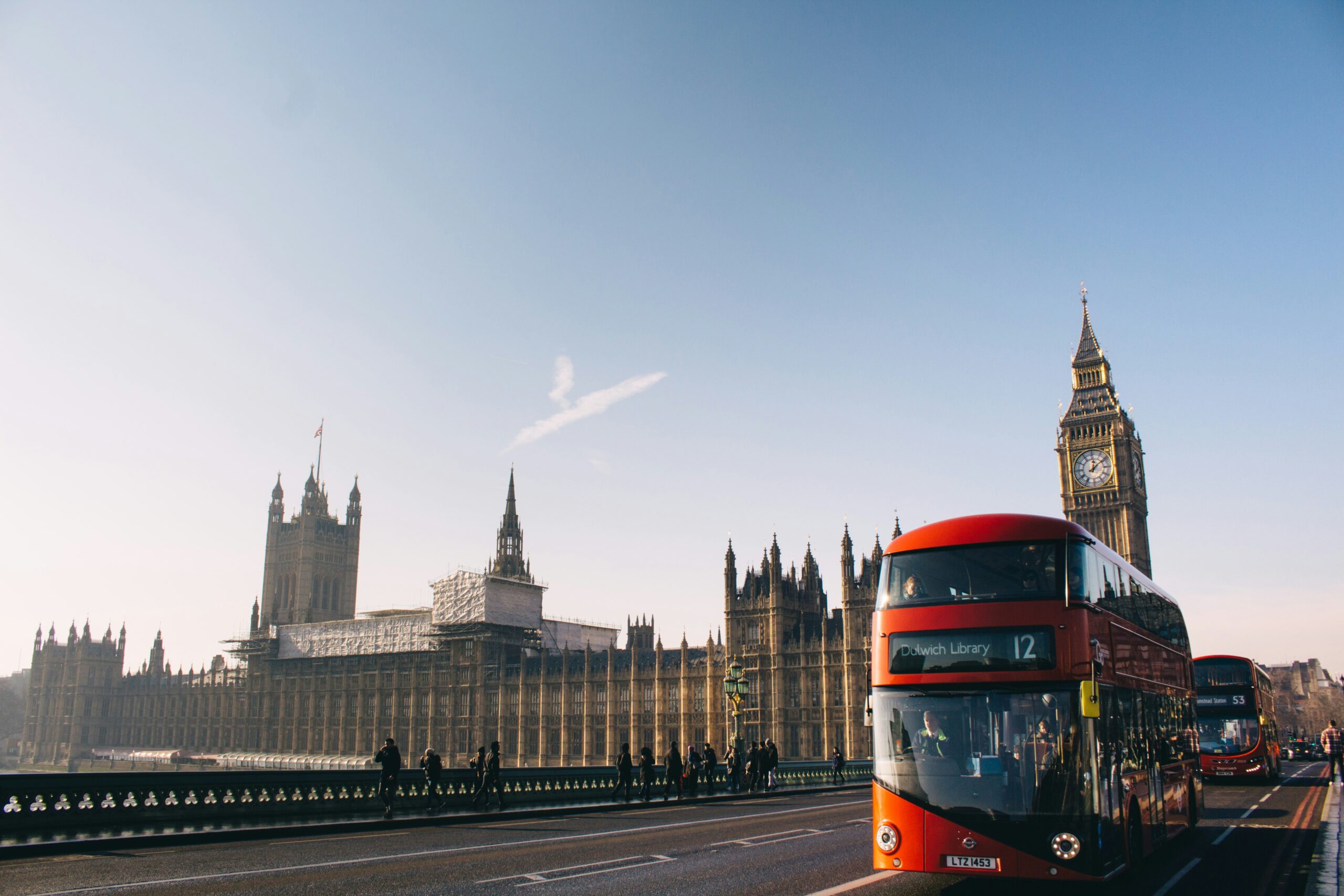
Accessibility Improvements
Routemaster buses have undergone significant transformations to ensure they cater to all passengers, particularly those with mobility challenges. Modern adaptations have included low-floor designs that facilitate easy access for wheelchair users and parents with prams. The introduction of audio-visual announcements enhances the experience for visually impaired individuals, ensuring they feel supported throughout their journey. These changes reflect a broader industry commitment to inclusivity within public transport.
The implementation of designated priority spaces on board has also been a crucial enhancement. These reserved areas ensure that elderly passengers and individuals with disabilities can travel comfortably. Training for drivers and staff has become a vital aspect of improving overall accessibility. Awareness campaigns help promote a culture of respect and assistance, ensuring that everyone has equal access to the vibrant cityscape that London offers.
Making the Routemaster Friendly for All
Transforming the Routemaster into an inclusive mode of transport required significant advancements in technology. Initial designs focused exclusively on aesthetics and functionality for able-bodied users. Modern adaptations now incorporate features such as low-floor access, ensuring wheelchair users and those with limited mobility can board with ease. Furthermore, signage has been improved with clearer displays and auditory announcements, catering to visually impaired passengers and enhancing their experience.
Training for staff has also been prioritised to foster an environment conducive to all passengers. Conductors and drivers are equipped to assist individuals who may require additional help. Such training not only empowers employees but also reinforces a community spirit on the bus, encouraging empathy and understanding among passengers. The continued evolution of these features ensures that the Routemaster remains a beloved and accessible icon for everyone navigating London’s bustling streets.
Environmental Impact and Sustainability
The Routemaster has undergone significant transformations to address environmental concerns as urban landscapes evolve. Modernisation efforts have led to the introduction of hybrid and electric models, effectively reducing emissions and promoting sustainability. These innovative variants are designed to help lower the carbon footprint while ensuring that the iconic aesthetic of the Routemaster remains intact.
Initiatives aimed at enhancing energy efficiency have also become a focal point for the Routemaster fleet. Incorporating advanced technologies not only optimises fuel consumption but also minimises waste generated during operations. As cities grapple with climate change, these efforts underscore the commitment to a greener future while preserving a beloved symbol of public transport.
Efforts to Reduce Carbon Footprint
Innovations in technology have paved the way for more eco-friendly alternatives in public transport, including the iconic Routemaster. The introduction of hybrid electric models has significantly reduced emissions and enhanced fuel efficiency. These advancements not only curb the carbon footprint of each bus but also align with global efforts to combat climate change. London buses are now equipped with regenerative braking systems, capturing energy typically wasted during deceleration and redirecting it to power the vehicle.
In addition to adopting hybrid technology, there are ongoing initiatives focused on retrofitting existing Routemasters. Many buses have been upgraded with cleaner engines that meet stringent emissions regulations. The implementation of low-emission zones throughout the city encourages older, more polluting vehicles to stay off the roads. Such measures reflect a commitment to sustainability while ensuring that the Routemaster remains a beloved and functional part of London’s transport infrastructure.
Cultural Significance of the Routemaster
The Routemaster bus has become emblematic of London itself, a quintessential representation of the city’s character and resilience. For generations, its red double-decker silhouette has graced the streets, embodying the spirit of a city that thrives on movement. As an icon of public transport, it transcends mere function; it evokes nostalgia and a sense of belonging for both residents and visitors. Its presence in literature, film, and art showcases its deep-rooted connection to the cultural fabric of London, making it more than just a mode of transport.
In addition to its practical role, the Routemaster serves as a canvas of local stories, reflecting the dynamics of urban life. Countless anecdotes emerge from its corridors, with passengers sharing their experiences of camaraderie and community. The bus has played a crucial role in connecting diverse neighbourhoods and fostering a sense of unity among Londoners. Over time, it has transformed from a utilitarian vehicle into a cherished symbol, representing not only travel but also the shared identity of a city that continues to evolve while honouring its past.
Symbol of London and Its Heritage
The Routemaster bus has become an iconic representation of London. Its distinctive red exterior and classic design evoke a sense of nostalgia for both residents and tourists. The unique silhouette of the Routemaster, with its open rear platform and two decks, not only enhances the visual landscape of the city but also serves to remind people of London’s rich public transportation history.
Over the years, this bus has transcended its primary function, becoming a symbol of British culture. It features prominently in films, literature, and artworks, reinforcing its status as a cultural icon. This enduring presence illustrates the Routemaster’s deep-rooted connection to the city’s identity and its continuing relevance in the fabric of London life.
For historical context on London’s iconic fleet and the Routemaster’s legacy, see The History of London Buses and the Routemaster.