
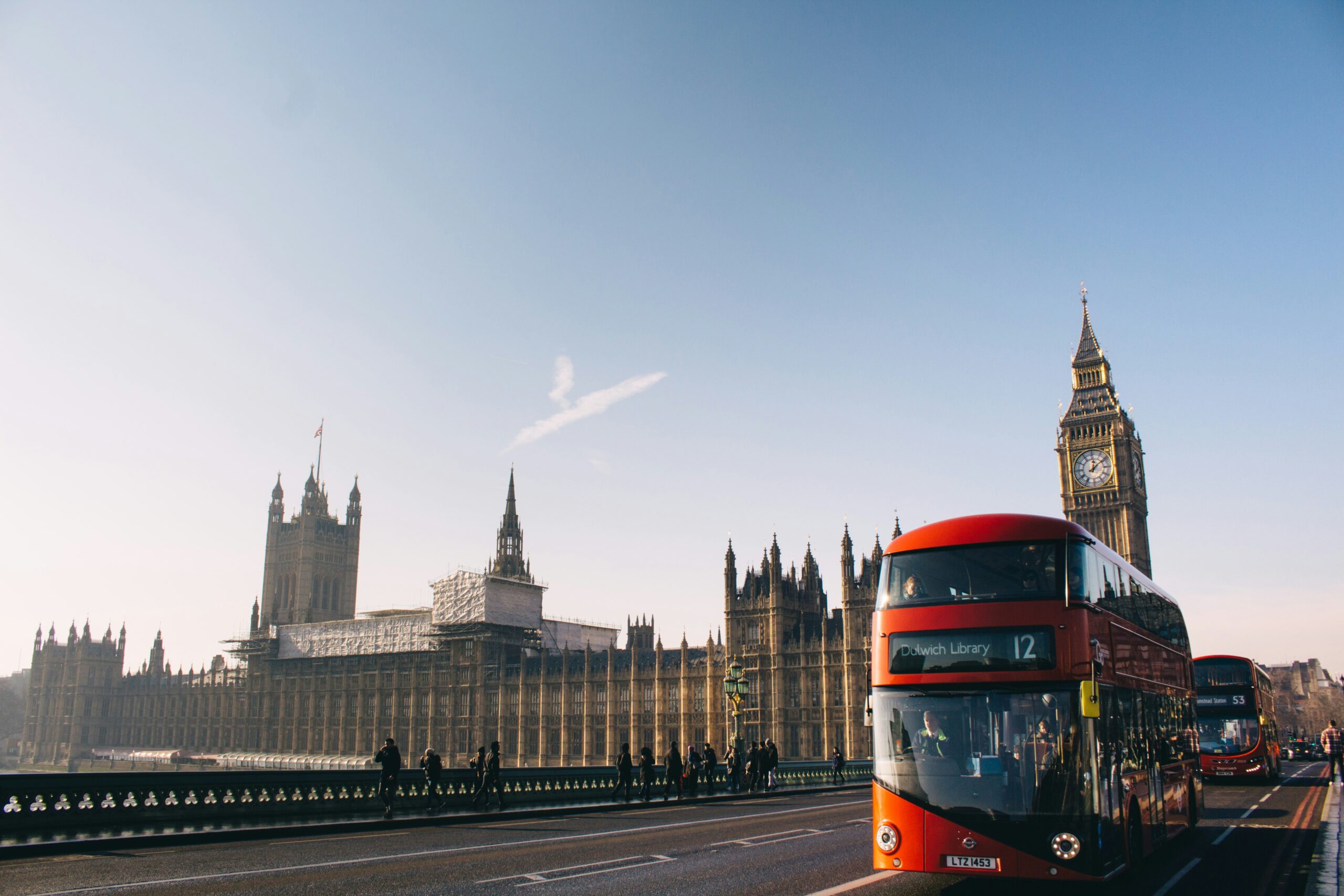
Cultural Significance of London Buses
The red double-decker buses of London are more than mere modes of transport; they are icons of the city, steeped in history and cultural resonance. Introduced in the early 20th century, these buses have become synonymous with London life, encapsulating the spirit of the city in their distinctive design. Their omnipresence on the streets contributes to a sense of nostalgia and charm, often serving as a backdrop in films, literature, and art that portray the unique essence of British culture. Everyday commuters, tourists, and even artists find inspiration in the rhythmic motion of these vehicles, which connect various communities across the capital.
Beyond their functional role, London buses foster a sense of community. They bring together people from diverse backgrounds, facilitating interaction and promoting a shared experience of the urban landscape. Public transport is an equaliser, providing access to education, employment, and leisure activities, irrespective of one’s socio-economic status. The bus network not only transports passengers from point A to B; it enables a cultural exchange that enriches the social fabric of London, making it a vibrant and inclusive city.
Iconic Status in British Heritage
London buses have transcended their role as merely a means of transport, embodying an enduring symbol of the city’s spirit and resilience. The iconic red double-decker buses frequently feature in films, art, and literature, promoting global recognition of London’s vibrant culture. Their classic design, characterised by the familiar Routemaster silhouette, evokes nostalgia and reflects a sense of community. Many locals and tourists alike regard a ride on these buses as a quintessential London experience, cementing their place in the collective memory of the city.
Moreover, the influence of London buses extends beyond transportation to embody British heritage. They have become a vital aspect of the urban landscape, merging functionality with artistic expression. The buses are not just vehicles; they are mobile canvases showcasing advertising, artwork, and community messages, which further enhances their cultural significance. By weaving themselves into the tapestry of everyday life, London buses have achieved a unique status that resonates with generations, making them an integral part of the city’s identity.
Challenges Faced by the Bus Network
Bus services in London often contend with severe traffic congestion, leading to delays that frustrate both passengers and drivers. Major roads are frequently gridlocked, particularly during peak hours. Buses, as vital components of public transportation, find it hard to adhere to timetables. The unpredictability of journey times can deter potential users and diminish the reliability of the network.
Additionally, scheduling issues create further complications within the service. Rigid timetables sometimes fail to accommodate demand fluctuations, resulting in overcrowded buses during busy periods. Conversely, during off-peak times, some routes operate with reduced frequency, leaving gaps that can inconvenience travellers. These challenges require strategic planning and innovative solutions to enhance the overall efficiency of the bus network.
Traffic Congestion and Scheduling Issues
The persistent traffic congestion in London presents considerable challenges for the bus network. Roads often become bottlenecks, especially during peak hours when commuters and tourists alike contribute to the heavy flow of vehicles. These conditions lead to delays that disrupt scheduling and can frustrate passengers who rely on buses for timely transport. As a result, buses may struggle to maintain their frequency and reliability, compromising the efficiency of public transport in the city.
Moreover, the intricate design of London’s roads, which includes narrow streets and numerous intersections, adds complexity to the bus routes. Scheduling issues surface as operators attempt to navigate these challenges while adhering to timetables. The unpredictability of traffic patterns complicates efforts to optimise routes and improve service efficacy. In turn, these factors affect overall passenger satisfaction and can deter individuals from opting for buses as their primary mode of transport.
Safety Measures on London Buses
Passenger safety remains a top priority for transport authorities across London. Enhanced surveillance through the installation of CCTV cameras inside and outside buses provides an added layer of protection. This technology deters potential criminal activity while capturing evidence to assist in investigations when necessary. Staff training focuses on conflict resolution and emergency response, ensuring drivers are equipped to handle various situations effectively.
In addition, regular maintenance checks contribute to the overall safety of the bus fleet. Adherence to strict safety regulations guarantees that mechanical issues are addressed promptly, allowing for a reliable service. Clear communication systems enable quick reporting of any incidents, improving response times in emergencies. These comprehensive measures foster a sense of safety and security for passengers, making London’s iconic buses a trusted mode of transportation.
Enhancements to Passenger Security
In response to growing concerns about safety, London buses have undergone significant improvements aimed at enhancing passenger security. The introduction of CCTV systems has proven to be a pivotal measure. Cameras are strategically placed both inside and outside the buses, allowing for continuous monitoring of the environment. This has not only acted as a deterrent for anti-social behaviour but also provides evidence in the eventuality of incidents, contributing to overall safety.
Furthermore, staff training has been prioritised to ensure that drivers and conductors are equipped to handle emergency situations effectively. Regular workshops focus on conflict resolution and awareness training, empowering employees to identify and address potential risks before they escalate. Tightened policies regarding the screening of staff add an extra layer of reassurance for passengers, reinforcing the commitment of London’s transport authorities to creating a secure travel atmosphere.
For historical context on London’s iconic fleet and the Routemaster’s legacy, see The History of London Buses and the Routemaster.