
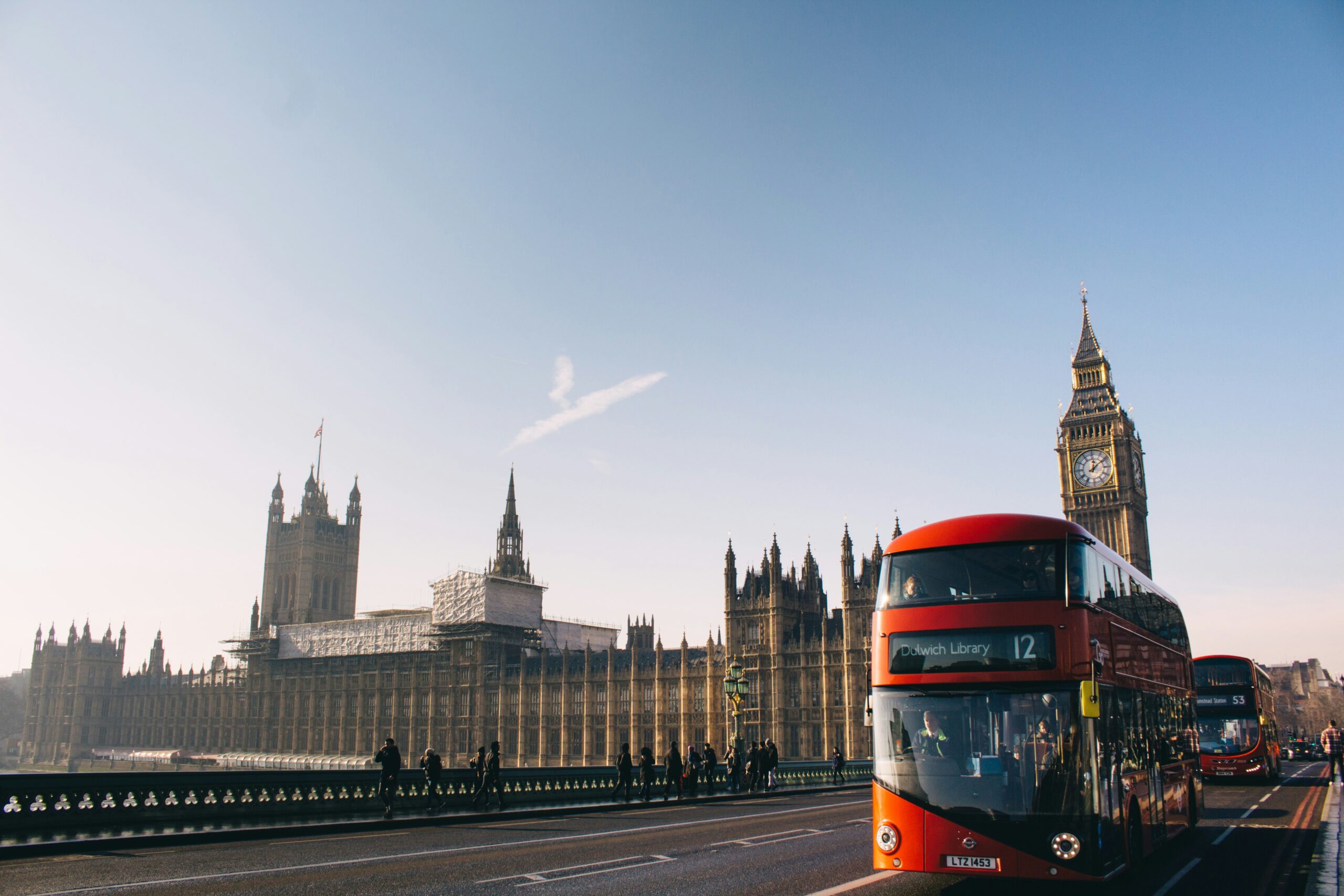
Iconic Routes and Their Significance
Double-decker buses have become synonymous with the vibrant character of London, particularly along routes that embrace the city’s most famous landmarks. The No. 11 bus, for instance, winds its way from Fulham Broadway to Liverpool Street, offering passengers a panoramic view of historic sites such as the Houses of Parliament and St. Paul’s Cathedral. This route not only serves as a vital mode of transport but also acts as a moving tour guide, allowing visitors and locals alike to appreciate the architectural wonders and rich history embedded in the fabric of the city.
Similarly, the No. 15 bus from Trafalgar Square to Tower Hill invites riders to take in the enchanting sights of the Strand and Fleet Street. This iconic service stands out for its connection to London’s cultural heritage, frequently featured in literature and art, as well as its representation in popular culture. As these buses traverse the cityscape, they create a unique link between residents and their surroundings, enabling a shared experience that has become an integral part of London’s identity.
Exploring Famous London Bus Routes
London’s bus network boasts several iconic routes, each steeped in history and brimming with character. Route 15 stands out as a cultural treasure, traversing the heart of the city from Tower Hill to Trafalgar Square. Along this journey, passengers are treated to sights such as St. Paul’s Cathedral and the vibrant atmosphere of the West End. This route not only serves as a means of transportation but also as a moving gallery showcasing some of London’s most acclaimed landmarks.
Another noteworthy route is the number 38, which connects Clapton to Victoria. As it meanders through diverse neighbourhoods, passengers experience the dynamic tapestry of London life, from the vibrant bustle of Hackney to the historic elegance of Westminster. The 38 accommodates both daily commuters and tourists, bridging different cultures while providing a unique perspective on the city’s ever-evolving landscape. Each stop reveals hidden gems, enabling passengers to explore lesser-known attractions beyond the typical tourist trail.
Cultural Impact of Double-Decker Buses
Double-decker buses have become integral to London’s identity, transcending their role as mere public transport. These bright red behemoths are often associated with the bustling energy of the capital, embodying the spirit of the city itself. They serve as a moving canvas, displaying the unique character of various neighbourhoods while offering panoramic views to their passengers. The iconic silhouette of the double-decker has found its way into countless photographs and souvenirs, cementing its status as a symbol of London.
Their presence in popular culture cannot be overlooked. From films to television shows, these buses consistently appear as quintessential elements of London life. Artists and musicians frequently draw inspiration from their distinctive design and vibrant colour, using them to evoke a sense of nostalgia and familiarity. Events such as parades often feature these buses, showcasing their role in community celebrations and public gatherings. Thus, double-decker buses are not simply modes of transport; they are cultural icons that reflect the historical and social fabric of London.
Representation in Media and Art
Double-decker buses have become a quintessential symbol of London, frequently depicted in various forms of media. Their vibrant red exterior stands out against the city’s historic grey, and this striking contrast is often captured in films, television shows, and photography. Iconic scenes showcasing these buses feature them gliding past landmarks such as Big Ben and Buckingham Palace. Artists and filmmakers use this imagery to evoke the essence of London, representing not just the city’s transport system but its very heartbeat.
The cultural significance of double-decker buses extends into literature and art. Renowned authors often weave these buses into narratives, illustrating the daily lives of Londoners as they navigate the city. Visual artists frequently incorporate the buses into their works, exploring themes of movement and urban identity. This artistic representation goes beyond mere depiction; it encapsulates the shared experiences of those who travel on them, contributing to the broader tapestry of London’s rich cultural heritage.
Modern Advancements in Double-Decker Buses
The evolution of double-decker buses has seen remarkable technological advances aimed at enhancing passenger experience and operational efficiency. Newer models are equipped with state-of-the-art features such as automatic doors, air conditioning, and real-time information systems. These innovations not only improve comfort during transit but also provide passengers with essential updates on travel times and routes. Enhanced accessibility features such as designated spaces for wheelchairs and prams ensure that the buses cater to a diverse range of users, reflecting a greater commitment to inclusivity.
In addition to passenger enhancements, modern double-decker buses are increasingly aligned with sustainability goals. The introduction of hybrid and fully electric models signifies a shift towards eco-friendliness in urban transport. These vehicles produce significantly lower emissions compared to their diesel predecessors, contributing to cleaner air in London. Moreover, advancements in battery technology and energy-efficient motors further optimise the efficiency of these buses, promoting a greener future for public transport while maintaining the iconic status of the beloved red double-decker.
Eco-Friendly Technologies and Sustainability
Recent advancements have paved the way for a new generation of double-decker buses designed with sustainability in mind. Many of these vehicles now utilise hybrid and electric technology, significantly reducing their carbon footprint. Manufacturers are increasingly incorporating lightweight materials, allowing for enhanced fuel efficiency. These innovations not only contribute to cleaner air in urban areas but also align with broader efforts to combat climate change.
Public authorities have recognised the importance of these eco-friendly innovations. Initiatives promoting the adoption of greener public transport options reflect an understanding of the critical role buses play in urban commuting. The ongoing commitment to upgrade infrastructure, such as charging stations for electric buses, demonstrates a proactive approach to sustainability. The evolution of double-decker buses aligns seamlessly with London’s vision for a cleaner, more sustainable future.
For historical context on London’s iconic fleet and the Routemaster’s legacy, see The History of London Buses and the Routemaster.