
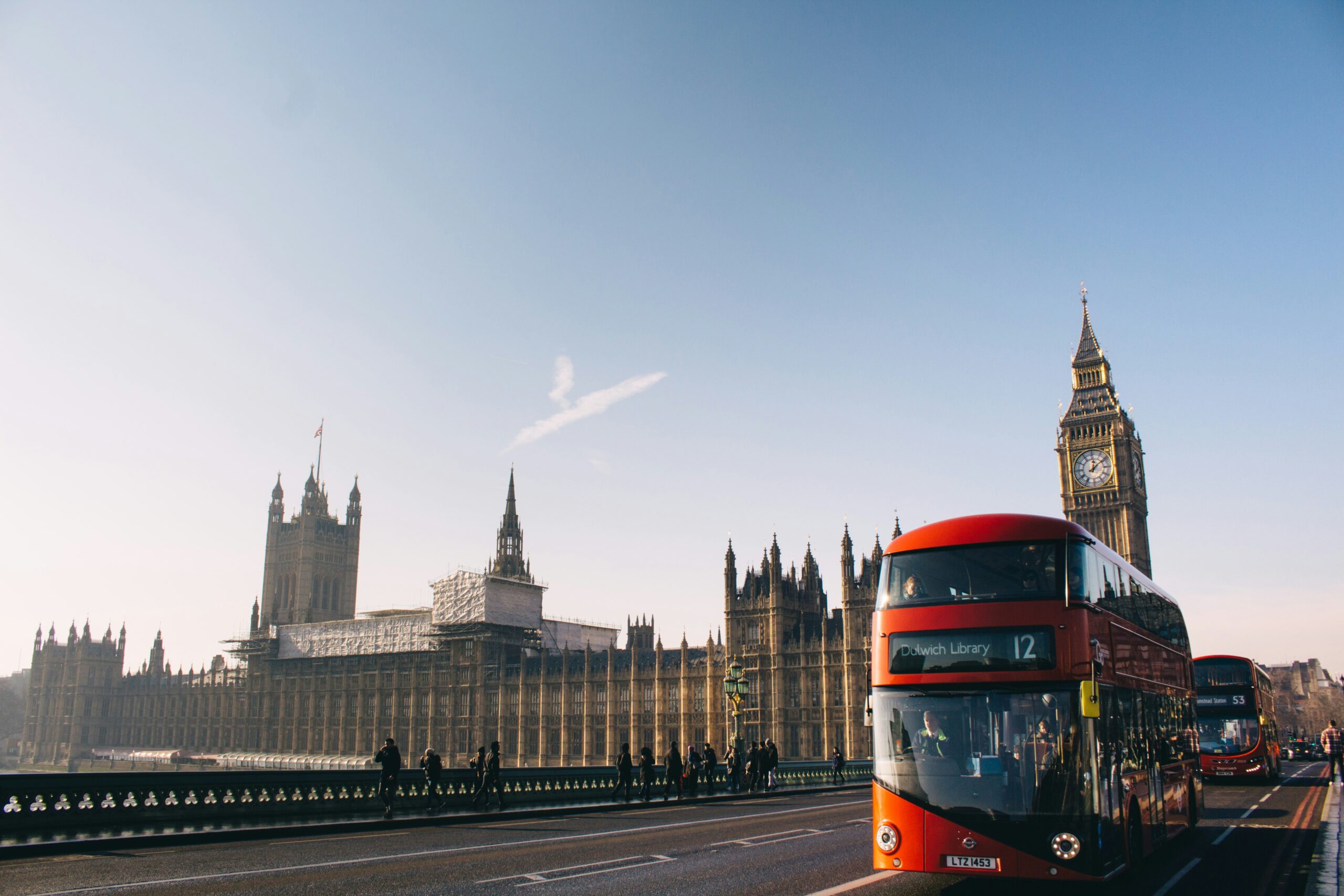
Iconic Designs Through the Decades
London’s red buses have undergone significant transformations since their inception in the early 20th century. The introduction of the famous Routemaster in 1956 marked a defining moment in the evolution of bus design. This classic vehicle boasted an open rear platform, a unique feature that allowed passengers to hop on and off with ease. Over the years, various models emerged, each reflecting contemporary tastes and innovations. For instance, the later iterations of Routemasters incorporated more modern conveniences while maintaining the iconic aesthetic that Londoners adore.
The aesthetic appeal of these buses transcends mere functionality. They serve as symbols of the city, embodying the spirit of London through their bold colour and distinct shape. In the late 1990s, the introduction of the new generation of buses, such as the bendy buses, showcased a modern take on public transportation, focusing on accessibility and capacity. The ongoing blend of tradition and innovation continues to shape the iconic identity of London’s red buses, ensuring their status as an enduring emblem of the capital.
The Aesthetic Appeal of London’s Buses
The London bus, with its striking red hue and distinctive shape, has become a symbol of the city itself. Designed originally in the 1930s, these vehicles were crafted to stand out amidst the bustling streets. The rounded, streamlined lines of the body lend a touch of elegance while catering to practical needs. Over the decades, various models have appeared, each offering a unique interpretation of this classic design while retaining the essential characteristics that have come to signify London’s public transport.
The colour red was intentionally chosen for visibility, ensuring that the buses could be spotted from a distance. This visual appeal contributes to a sense of nostalgia for residents and tourists alike. The exterior often showcases iconic branding and advertising, further enhancing the bus’s aesthetic charm. Artists and photographers frequently capture these buses in their works, framing them against the city’s historic landmarks, which elevates their status as more than just a means of transport. They represent a moving piece of London’s cultural tapestry, intertwining functionality with design.
The Cultural Impact of Red Buses
Red buses have become more than mere public transport; they epitomise London’s spirit and identity. Tourists flock to the iconic vehicles, often posing for photographs at key landmarks, and locals cherish them as part of their daily commute. Their distinctive hue serves as a striking reminder of the city’s rich history, with many Londoners asserting that the vivid splash of red brings a sense of vibrancy to the urban landscape.
The cultural significance of these buses extends into various forms of media and art, with filmmakers often using them as a backdrop for significant scenes. They are featured prominently in television shows, films, and advertisements, reinforcing their status as a symbol of London. Through this representation, the red bus transcends its functional role, becoming an emblem of the city’s resilience and character, bringing together diverse communities and stories woven into the fabric of London life.
Representation in Media and Art
London’s red buses have transcended their utilitarian purpose to become symbols of the city itself. They frequently make appearances in films, television shows, and literature, capturing the essence of urban life. From iconic scenes in classic British films to contemporary television dramas, these buses contribute to visual storytelling, often representing themes of community and the everyday hustle of city dwellers. Artists and illustrators alike have embraced the red bus as a subject, celebrating its bold colour and recognisable shape in various forms, ranging from paintings to digital art.
In addition to their presence on screen, red buses have also inspired a range of merchandise, reflecting their cultural significance. Graphic designers utilise the bus’s unique silhouette in branding and promotional materials, further embedding it into the visual language of London. This representation goes beyond mere aesthetics; it weaves into the fabric of London’s identity, offering both locals and tourists a tangible connection to the city’s history and character. Over the years, the red bus has evolved into a cultural icon that resonates with both nostalgia and modernity, firmly establishing its place in the landscape of British art.
Modern Innovations in Bus Technology
Recent advancements in bus technology have significantly enhanced the efficiency and comfort of public transport. Electric and hybrid buses have become popular choices, reducing the carbon footprint of city travel. These modern vehicles incorporate smart technology, enabling improved route planning and better tracking for passengers. Innovations such as real-time updates and contactless payments streamline the travel experience, making it more user-friendly and accessible.
The integration of technology extends beyond just the buses themselves. Many cities are implementing advanced signalling systems for buses, prioritising them at traffic lights to improve journey times. Additionally, the use of data analytics allows transport authorities to optimise routes and schedules based on passenger demand. These innovations not only improve operational efficiency but also enhance the overall appeal of using public transport in urban areas.
The Shift Towards Eco-Friendly Solutions
In recent years, London’s transport authorities have prioritised sustainability, reflecting a global trend towards greener alternatives. The introduction of hybrid and electric buses marks a significant shift in public transportation, aiming to reduce emissions and improve air quality throughout the city. These innovations not only demonstrate a commitment to environmental responsibility but also enhance the overall experience for passengers. Integration of advanced technologies further optimises fuel efficiency, making the iconic red buses more than just a symbol of London.
As eco-friendly solutions become increasingly important, the traditional double-decker is evolving. Manufacturers are designing buses that reduce both noise pollution and carbon footprints while maintaining the aesthetics that Londoners cherish. The use of lightweight materials and energy-efficient systems contributes to sustainability goals, ensuring these vehicles meet modern demands. This transition is transforming the perception of public transport, aligning it with contemporary ideals of environmental stewardship.
For historical context on London’s iconic fleet and the Routemaster’s legacy, see The History of London Buses and the Routemaster.