
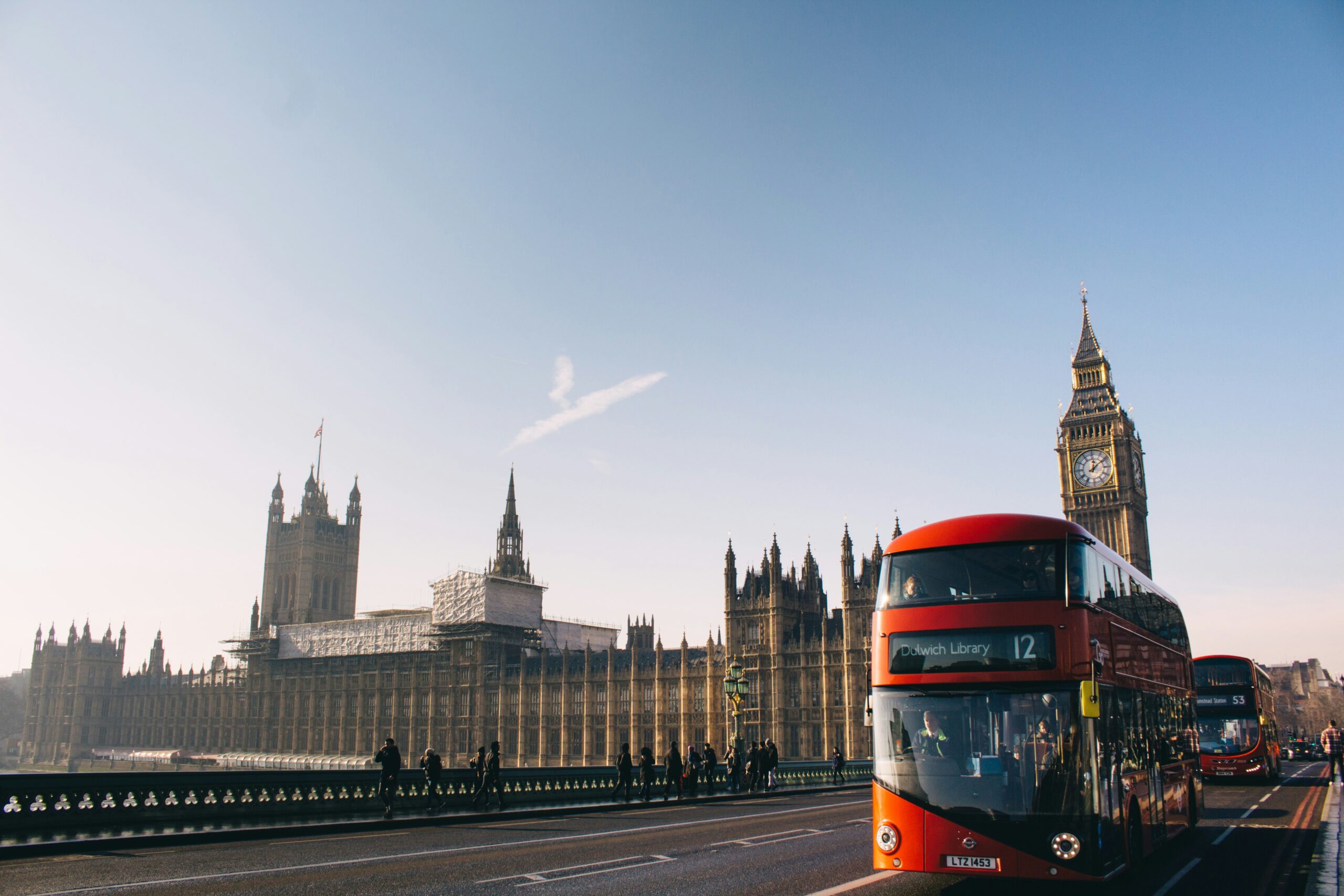
Public Response to New Bus Models
The transition from the beloved Routemaster to contemporary bus models has elicited a range of responses from the public. Nostalgia plays a significant role in the mixed feelings towards newer designs. Many passengers reminisce about the charm, character, and open-platform design of the Routemaster, which symbolised a more leisurely approach to inner-city travel. This emotional attachment often overshadows the practicality and advancements offered by modern buses, leading to a division in public opinion.
Conversely, there are advocates for the shift, highlighting the benefits that modern buses bring to urban transport systems. Enhanced accessibility features cater to individuals with disabilities and those with pushchairs. Improved fuel efficiency contributes to environmental sustainability, a growing concern in metropolitan areas. Additionally, modernisation promises a more reliable service, with reductions in breakdowns and delays, appealing to commuters prioritising efficiency over nostalgia.
Comparing User Experience
Routemasters were renowned for their unique design and charm, offering an iconic experience with their open rear platform and spacious interiors. Many passengers fondly remember the feeling of hopping on and off these buses, often engaging with the friendly conductors. The nostalgic connection to the Routemasters is evident in how older generations speak about their daily commutes, filled with stories of community and character. However, the experience was not without its drawbacks, as the lack of modern amenities often left passengers wanting more in terms of comfort and efficiency.
In contrast, modern buses prioritise passenger comfort and convenience through various features that enhance the overall experience. With air conditioning, improved seating, and real-time information systems, they cater more effectively to contemporary urban needs. Accessibility has also become a key focus, with low floors and designated spaces for wheelchairs and pushchairs. This evolution reflects a growing commitment to inclusivity, ensuring that public transport remains a viable option for a diverse range of passengers. While the emotional attachment to the Routemaster persists, many now appreciate the practical advantages offered by these new models.
Economic Factors Influencing Bus Fleets
The financial landscape plays a pivotal role in shaping the evolution of bus fleets within urban transport systems. Public transport authorities face mounting pressures to balance budgets while meeting the increasing demand for reliable services. Costs associated with maintaining older vehicles can be significant, leading to debates on whether resources should be allocated towards refurbishing the existing fleet or investing in newer models that promise enhanced efficiency and lower operational expenses.
Additionally, government initiatives and funding opportunities greatly influence decisions regarding bus procurement. Investment in more environmentally friendly vehicles aligns with broader sustainability goals and often comes with financial incentives. Such economic considerations not only affect the immediate choices of transport agencies, but also set the tone for long-term strategies that ensure public transport evolves in a fiscally responsible manner.
Budgetary Impacts of Upgrading Vehicles
The financial implications of upgrading bus fleets are significant, especially for public transport authorities. The initial capital outlay for new vehicles can be considerable. Transitioning from traditional models, like the Routemaster, to modern buses involves not only the purchase price but also the costs associated with infrastructure adaptations, maintenance training, and operational adjustments. This investment raises questions about budget allocations and long-term financial planning for transport services.
With the pressure to modernise, many authorities face the challenge of balancing immediate expenses with the potential for future savings. Modern buses often offer improved fuel efficiency and lower emissions, which can translate into reduced operational costs over time. Budget constraints may necessitate difficult decisions, such as scaling back on other essential services or seeking additional funding sources. In this context, the move towards modernisation is not merely an upgrade but a strategic necessity that requires careful financial stewardship.
Safety Improvements in Modern Buses
The focus on safety in contemporary bus designs has lead to significant advancements over previous models. Modern buses feature reinforced structures and high-strength materials that enhance crashworthiness, providing better protection for passengers. Additionally, many of these vehicles come equipped with advanced braking systems that offer improved responsiveness. This includes anti-lock braking systems (ABS) and electronic stability control (ESC), which work together to prevent skidding and maintain vehicle control during challenging driving conditions.
Incorporating technology has also transformed safety protocols within the bus fleet. Many operators have begun to install CCTV systems to monitor passenger behaviour and deter crime. Real-time tracking and communication systems enable quicker responses during emergencies, enhancing overall passenger safety. Furthermore, modern buses often include features like wheelchair accessibility and low floors, making them safer and more accommodating for all users. These enhancements reflect a broader commitment to prioritising safety in public transport systems.
Enhanced Safety Protocols and Features
Modern buses incorporate a range of advanced safety features designed to protect passengers and drivers alike. These enhancements include systems such as electronic stability control and anti-lock braking systems that provide greater vehicle stability during adverse conditions. Additionally, many buses are now equipped with multiple emergency exits, which ensure quick evacuation in case of an incident. Cameras and sensors play a vital role in increasing visibility for drivers, further reducing the risk of accidents, especially in urban environments with high pedestrian traffic.
Furthermore, passenger safety is complemented by the introduction of better seating arrangements and secure standing areas. The design of modern buses prioritises both comfort and safety, featuring softer materials that can absorb impacts and reducing the risk of injury during sudden stops. Enhanced lighting throughout the interior contributes to a more secure environment, making it easier for passengers to navigate when boarding and alighting. With such comprehensive safety measures, modern bus fleets are not only designed to meet regulatory standards but also to foster a sense of security among passengers on their journeys.
For historical context on London’s iconic fleet and the Routemaster’s legacy, see The History of London Buses and the Routemaster.